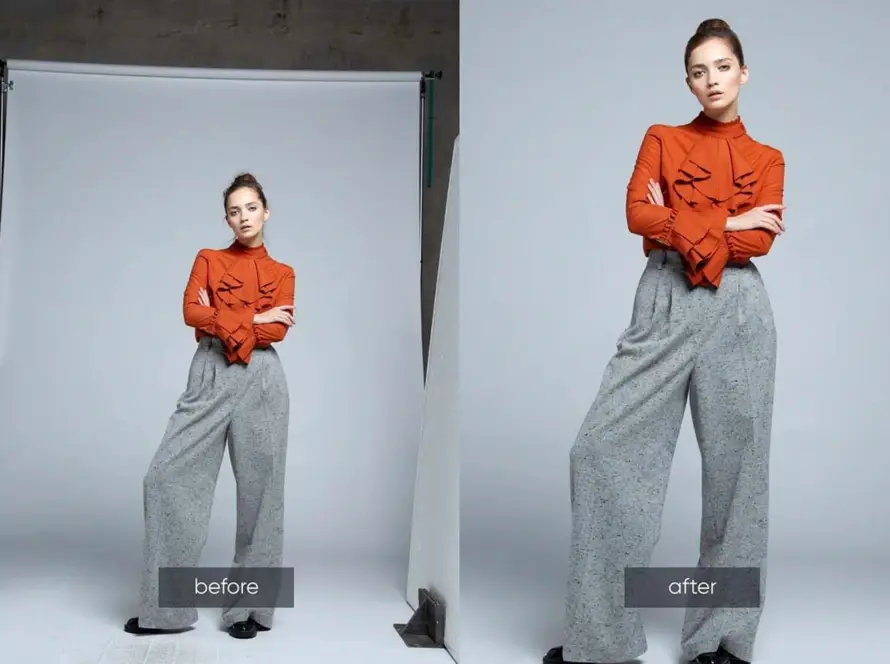


Every eCommerce brand needs clean, professional product images. Background removal is often an essential part of preparing those images for online stores, marketplaces, advertising campaigns, and product catalogs.
But have you considered how much time your creative team spends removing backgrounds instead of working on creative projects?
A single image may take only a few minutes to process. However, when your team handles hundreds or thousands of images, those minutes quickly add up.
Product photography, campaign planning, creative direction, and brand development all require attention. Yet repetitive editing tasks can consume a significant portion of your team’s working hours.
This is where outsourcing background removal can make a difference.
By working with a specialist image-editing partner, brands can move repetitive production work outside their internal workflow while allowing their creative teams to focus on higher-value responsibilities.
The goal isn’t to replace your creative team. It’s to give them more time to create.
1. Why Background Removal Becomes a Productivity Challenge
Background removal sounds straightforward, but the actual process can be time-consuming, especially when dealing with large product catalogs.
Different products require different levels of editing attention.
For example:
Apparel: Fine edges, loose threads, folds, and transparent materials require careful selection.
Jewellery: Chains, gemstones, intricate designs, and reflective surfaces need precise editing.
Footwear: Shoelaces, textured soles, and complex shapes require detailed edge refinement.
Beauty products: Transparent bottles, reflections, and glass surfaces can make background removal more challenging.
Furniture: Large dimensions, shadows, and intricate structures require additional attention.
When an internal team handles all these tasks, the workload can become difficult to manage.
The challenge becomes even greater during seasonal launches, promotional campaigns, and new collection releases.
Instead of concentrating on creative work, designers and editors may spend hours completing repetitive image-processing tasks.
2. What Could Your Creative Team Be Doing Instead?
Your creative team’s skills are valuable. Their time should be spent on work that directly supports your brand’s visual direction and marketing goals.
Consider the activities that may receive less attention when repetitive editing takes over:
Creative Direction
Developing visual concepts, planning campaigns, and maintaining a consistent brand identity.
Photography Planning
Preparing product shoots, coordinating models, selecting locations, and organizing creative assets.
Campaign Development
Creating promotional materials, website banners, email campaigns, and social media content.
Visual Strategy
Identifying opportunities to improve product presentation and create more engaging shopping experiences.
Brand Development
Exploring new creative approaches and ensuring that every visual reflects the brand’s identity.
Outsourcing repetitive background removal gives internal teams more capacity to focus on these responsibilities.
3. How Outsourcing Background Removal Improves Workflow Efficiency
Working with a professional image-editing partner can simplify the production process.
Instead of assigning every background removal task internally, brands can send image batches to a dedicated editing team.
A structured workflow typically includes:
Image Submission: The brand shares original photographs and editing instructions.
Background Removal: The editing team removes unwanted backgrounds and refines product edges.
Quality Checking: Images are reviewed for edge accuracy, unwanted remnants, and consistency.
Final Delivery: Completed images are returned in the required formats and dimensions.
Internal Approval: The brand reviews the final images before publishing.
This approach helps separate creative responsibilities from repetitive production work.
It also allows businesses to process larger image batches without depending entirely on the availability of their internal creative team.

4. The Benefits Go Beyond Saving Editing Time
Time savings are important, but outsourcing background removal can provide several additional advantages.
Consistent Image Quality
A professional editing partner can follow established instructions and image standards across large batches.
This helps maintain consistent backgrounds, edges, and product presentation.
Better Scalability
When product volumes increase, brands can access additional editing capacity without immediately expanding their internal team.
Access to Specialist Skills
Complex products may require clipping paths, masking, and detailed edge refinement. Specialist editors can handle these requirements more efficiently.
Reduced Internal Workload
Your in-house team can spend less time managing repetitive editing tasks and more time working on creative priorities.
Flexible Production Support
Outsourcing can provide additional support during seasonal launches, promotional periods, and other high-volume production cycles.
The real advantage is not simply completing more images. It is creating a workflow that can handle changing demands without putting unnecessary pressure on internal teams.
5. When Should You Consider Outsourcing Background Removal?
Not every business needs an external editing partner from the beginning.
However, certain signs indicate that outsourcing may be worth considering.
Your editing backlog keeps growing.
Images are waiting longer than expected because internal editing capacity is limited.
Campaign deadlines are becoming difficult to meet.
Your team is spending too much time preparing product images instead of completing campaign requirements.
Your creative team handles repetitive tasks every day.
Designers and photographers are regularly assigned background removal instead of their primary responsibilities.
Image quality varies across the catalog.
Different editing approaches are creating inconsistent product presentation.
Your product volume is increasing.
New collections and additional SKUs are creating more editing work than your existing team can comfortably manage.
If these situations sound familiar, outsourcing can help create additional production capacity.
6. How to Choose the Right Background Removal Partner
Outsourcing only works when the editing partner understands your requirements and follows your quality standards.
Before choosing a provider, evaluate these important factors:
Edge Accuracy: Can they handle difficult edges, fine hair, transparent objects, and intricate product details?
Image Consistency: Can they maintain the same editing standards across large image batches?
Turnaround Time: Can they meet your delivery schedules without compromising quality?
Quality Control: Do they review completed images before delivery?
Communication: Can they understand your instructions, manage revisions, and provide regular updates?
Data Security: Do they follow appropriate procedures to protect your product images and business information?
A practical approach is to start with a small test batch. Review the results, provide feedback, and evaluate whether the provider can consistently meet your expectations before outsourcing larger volumes.
7. Background Removal Is Only One Part of a Bigger Image Editing Workflow
As eCommerce brands grow, their image requirements often extend beyond basic background removal.
A complete product image workflow may include:
Background removal and clipping paths
Image masking for complex edges
Colour correction
Dust and blemish removal
Custom shadows and reflections
Ghost mannequin editing
Product retouching
Image resizing and cropping
Final quality checks
Managing these requirements through multiple providers can create additional coordination work.
Working with a post-production partner that offers multiple services can help simplify communication and maintain consistent editing standards.
This is particularly useful for fashion retailers and eCommerce businesses managing large product catalogs.

How MubyTech Helps Your Creative Team Work Smarter
At MubyTech, we understand that creative teams need time to focus on photography, campaign development, and brand storytelling.
Our professional image-editing services help businesses manage repetitive post-production requirements without placing unnecessary pressure on their internal teams.
We support eCommerce brands with:
Expert Background Removal: Precise background removal for products with complex edges, hair, jewellery, and transparent elements.
Clipping Path Services: Accurate product isolation for clean and professional presentation.
Custom Shadows and Reflections: Natural-looking finishing that enhances product appearance.
Product Image Retouching: Refinement of product details while maintaining accuracy.
Fashion Image Editing: Professional editing for on-model and still-life photography.
High-Volume Image Processing: Scalable support for large catalogs and seasonal collections.
With 100+ professional image editors and experience editing more than 30 million images, MubyTech helps brands manage their growing post-production requirements.
Our workflow combines experienced editors with AI-assisted capabilities and quality checks to support efficient, consistent delivery.
Your creative team handles the ideas. MubyTech helps handle the image-editing workload.
Final Thoughts: Give Your Creative Team Time to Create
Background removal is an essential part of eCommerce image production, but it doesn’t always need to be handled internally.
When creative professionals spend too much time on repetitive editing tasks, other important responsibilities can receive less attention.
Outsourcing gives brands an opportunity to distribute production work more effectively, access specialist editing skills, and manage changing image volumes.
The key is finding a reliable partner who understands your quality standards and can work as an extension of your existing workflow.
Because productivity isn’t just about completing more tasks.
It’s about making better use of your team’s time, skills, and creative potential.
FAQs
AI image retouching uses automated tools to perform tasks like background removal, color correction, and resizing for product images.
No. AI can automate repetitive tasks, but manual retouching is still required for detailed adjustments and final finishing.
AI reduces editing time, improves consistency, and allows businesses to process large volumes of images quickly.
Yes. AI reduces manual workload and speeds up processing, which helps businesses save time and operational costs.