


In eCommerce, first impressions often begin with a product image.
Customers cannot physically touch a garment, examine a piece of jewellery, or test a product before purchasing. They depend on photographs to understand what they are buying.
Naturally, brands want their products to look their best. They invest in professional photography, image editing, colour correction, and retouching to create polished product visuals.
But there is a point where improving an image becomes changing its reality.
Skin can look unnaturally smooth. Fabric textures can disappear. Product colours can become more attractive than they actually are. Even the smallest editing decisions can make an image feel unrealistic.
In 2026, when customers are increasingly familiar with digitally altered and AI-generated visuals, authenticity matters more than ever.
The challenge for eCommerce brands is no longer just creating beautiful images. It is creating images customers can believe.
1. What Makes a Product Photo Look Over-Edited?
Professional retouching improves image quality while preserving the product’s actual appearance.
Over-editing happens when the editing process removes or changes details that customers need to see.
Some common examples include:
Excessive skin smoothing: Models appear unnatural, with skin that lacks realistic texture.
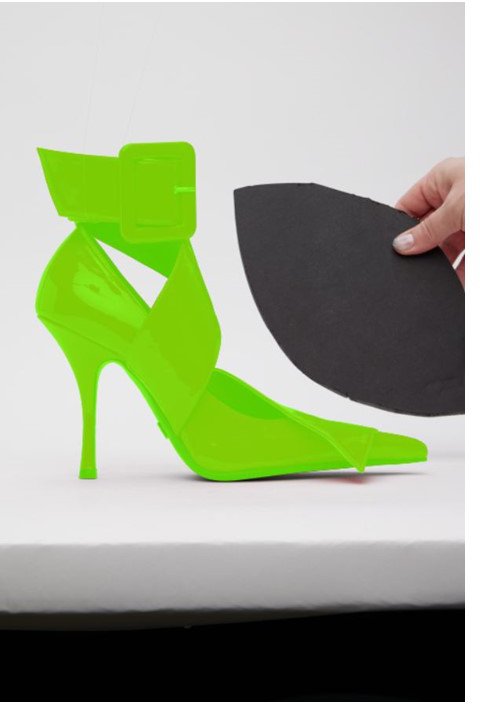
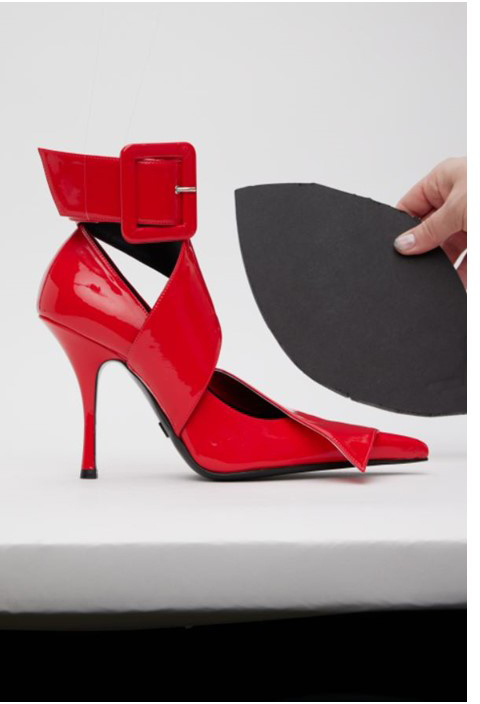
Incorrect product colours: Colour correction makes products look different from their actual shades.
Lost fabric details: Excessive smoothing removes the natural texture, weave, or finish of materials.
Unrealistic shadows: Artificial shadows make products appear disconnected from their environment.
Altered proportions: Editing changes the product’s original shape, fit, or dimensions.
Excessive cleanup: Removing every natural detail can make an image look artificial.
These changes might make an image look more polished at first glance. However, they can also create expectations that the actual product cannot meet.
2. How Over-Editing Can Affect Consumer Trust
Imagine a customer purchasing a jacket because its online image shows a rich, deep colour and a smooth finish.
When the product arrives, the colour looks different and the fabric texture is not what they expected.
The customer may feel misled, even if the product itself is perfectly fine.
This is where image accuracy becomes important.
Over-edited images can contribute to:
Unrealistic expectations: Customers expect a product to look exactly like the photograph.
Purchase hesitation: Images that appear artificial may make shoppers question whether the product presentation is reliable.
Customer dissatisfaction: Differences between product photographs and delivered items can create disappointment.
Avoidable returns: When visual presentation contributes to an expectation mismatch, customers may decide the product is not what they wanted.
Returns have many causes, and image editing is only one factor. However, accurate product imagery can help reduce one preventable source of customer disappointment.
3. AI Has Made Image Authenticity Even More Important
AI tools have changed how eCommerce brands create and edit product images.
Brands can now generate backgrounds, improve lighting, remove unwanted objects, create visual variations, and speed up repetitive editing tasks.
These capabilities offer real advantages, especially for businesses managing large product catalogs.
However, AI-assisted editing also introduces challenges.
For example:
Fabric patterns may change during image generation.
Footwear details may become distorted.
Jewellery structures may lose their original characteristics.
Product colours may shift.
Model features or body proportions may change.
Fine details may be generated rather than accurately preserved.
The problem is not the use of AI itself. The problem occurs when the final image is published without checking whether it still represents the actual product.
AI can accelerate image production, but product accuracy still needs attention.
That is why human review remains valuable, particularly for complex products and detailed fashion imagery.
4. How Brands Can Make Product Images More Trustworthy
Building customer trust doesn’t require less professional editing. It requires more thoughtful editing.
Here are some practical ways brands can improve image authenticity.
Preserve Natural Product Details
Retouching should enhance the image without removing important characteristics.
Keep fabric textures, stitching, jewellery details, material finishes, and natural product features visible.
Maintain Accurate Colours
Colour correction should bring the photograph closer to the actual product.
Avoid making colours more vibrant or changing shades simply to create a more attractive image.
Keep Model Retouching Natural
For fashion and lifestyle photography, maintain realistic skin texture and natural proportions.
The objective should be to present the product professionally, not to make the model look digitally perfect.
Use Realistic Shadows and Lighting
Shadows should support the product rather than make it look artificially placed.
Consistent lighting also helps maintain a professional appearance across the catalog.
Show Products From Useful Angles
Customers need enough visual information to understand what they are purchasing.
Include front, back, side, close-up, and detail views where relevant.
A beautiful hero image is useful, but it should not replace informative product photography.
5. Professional Retouching Is About Knowing What Not to Change
Good retouching is not measured by how many imperfections an editor removes.
It is measured by how effectively the editor improves an image while preserving its authenticity.
Consider a fashion product photograph.
An editor may need to remove dust, correct exposure, clean the background, refine shadows, and improve colour balance.
However, the editor should also preserve:
The original fabric texture
Natural folds and stitching
The garment’s actual colour
Accurate proportions
Realistic model appearance
The same principle applies to jewellery, footwear, accessories, and other product categories.
Every product has details that influence how customers understand its quality.
An experienced editing team knows which details need refinement and which details must remain untouched.
The best retouching is often the kind customers don’t notice. They simply see a clear, professional, believable product image.
6. Build a Consistent Image Editing Standard
Even when individual images look excellent, a catalog can lose credibility if the editing style changes from one product to another.
For example, a fashion catalog may contain some images with natural skin texture, others with excessive smoothing, and different colour treatments across similar products.
This inconsistency can make the overall shopping experience feel less professional.
Brands should establish clear editing standards covering:
Background and lighting requirements
Colour correction guidelines
Skin and model retouching
Product cleanup
Shadow and reflection treatments
Image dimensions and cropping
Final quality checks
These standards help internal teams and external editing partners deliver consistent results.
They also become increasingly important when processing hundreds or thousands of images for new collections.
7. How MubyTech Helps Brands Maintain Image Accuracy
At MubyTech, we understand that professional image editing should improve product presentation without compromising the product’s original characteristics.
Our approach combines experienced image editors, AI-assisted capabilities, and quality checks to support eCommerce brands with their post-production requirements.
Our services include:
Product Image Retouching: Improve image quality while preserving important product details.
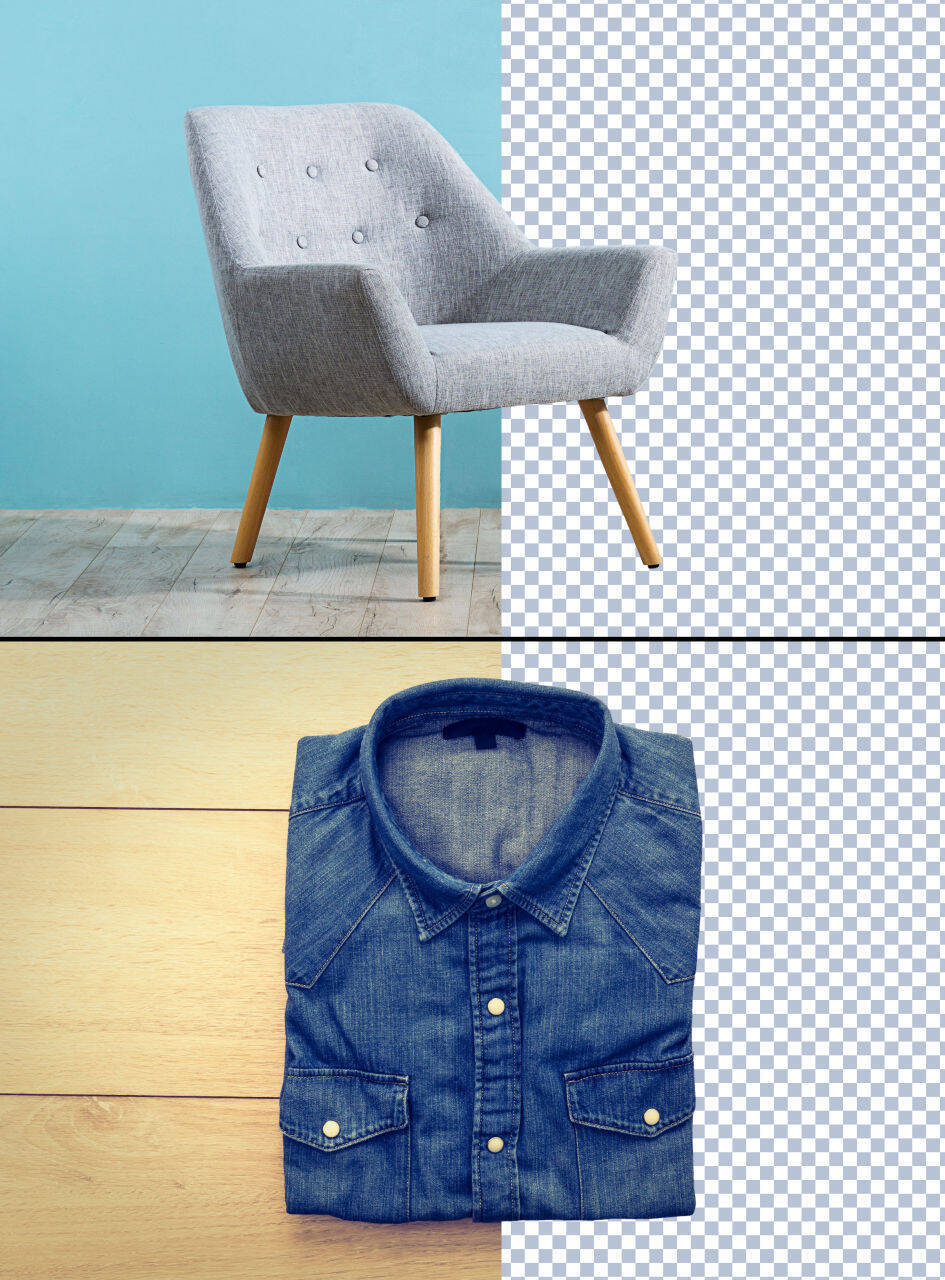
Background Removal: Create clean, consistent product backgrounds.
Colour Correction: Maintain accurate and consistent product colours.
Fashion Retouching: Refine garments and model images while retaining natural details.
Shadow and Reflection Editing: Create realistic product presentation.
High-Volume Image Editing: Support growing product catalogs and seasonal launches.
Whether brands are processing a new collection or maintaining an existing catalog, the focus remains on producing images that look professional, consistent, and accurate.
We believe technology should make image editing more efficient—not make product images less trustworthy.
Final Thoughts: Make Your Product Images Look Better, Not Different
In 2026, customers are exposed to more digital imagery than ever before.
They have become familiar with filters, artificial backgrounds, AI-generated visuals, and heavily retouched photographs.
For eCommerce brands, this creates an important responsibility: product images should attract attention while setting realistic expectations.
Over-editing may make an image look impressive, but it can weaken the connection between what customers see and what they receive.
The better approach is to balance professional retouching with authenticity.
Enhance the details. Preserve the product. Build customer confidence.
Because the purpose of product imagery isn’t just to make someone click. It’s to help them feel confident about what they’re buying.