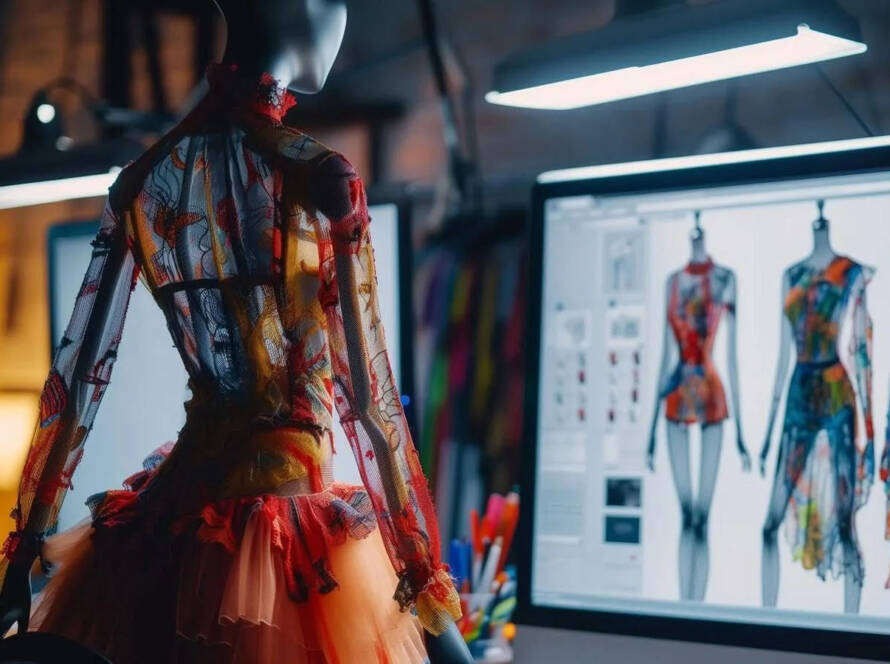


Discuss how product launches are no longer delayed by manufacturing alone. For many fashion and eCommerce brands, the biggest bottleneck occurs after the photoshoot—during image selection, retouching, approvals, and publishing. Explain that a streamlined product image workflow helps brands launch products faster while maintaining visual quality and consistency.
Why Product Image Workflows Matter
A successful product launch depends on more than great photography.
Before a product reaches customers, images often pass through multiple teams, including photographers, designers, editors, marketing teams, merchandising, and eCommerce managers.
Without a structured workflow, brands often experience:
- Delayed product launches
- Multiple revision rounds
- Lost or duplicated files
- Inconsistent image quality
- Missed marketing deadlines
The faster and more organized this workflow becomes, the faster products reach the market.
The Typical Product Image Workflow
Explain each stage:
1. Studio Photography
Capturing high-quality product images with proper lighting, styling, and multiple angles.
2. File Organization
Naming files consistently, organizing by SKU, category, or collection, and maintaining version control.
3. Image Selection
Choosing the best images for editing and marketing while removing duplicates and unusable shots.
4. Professional Retouching
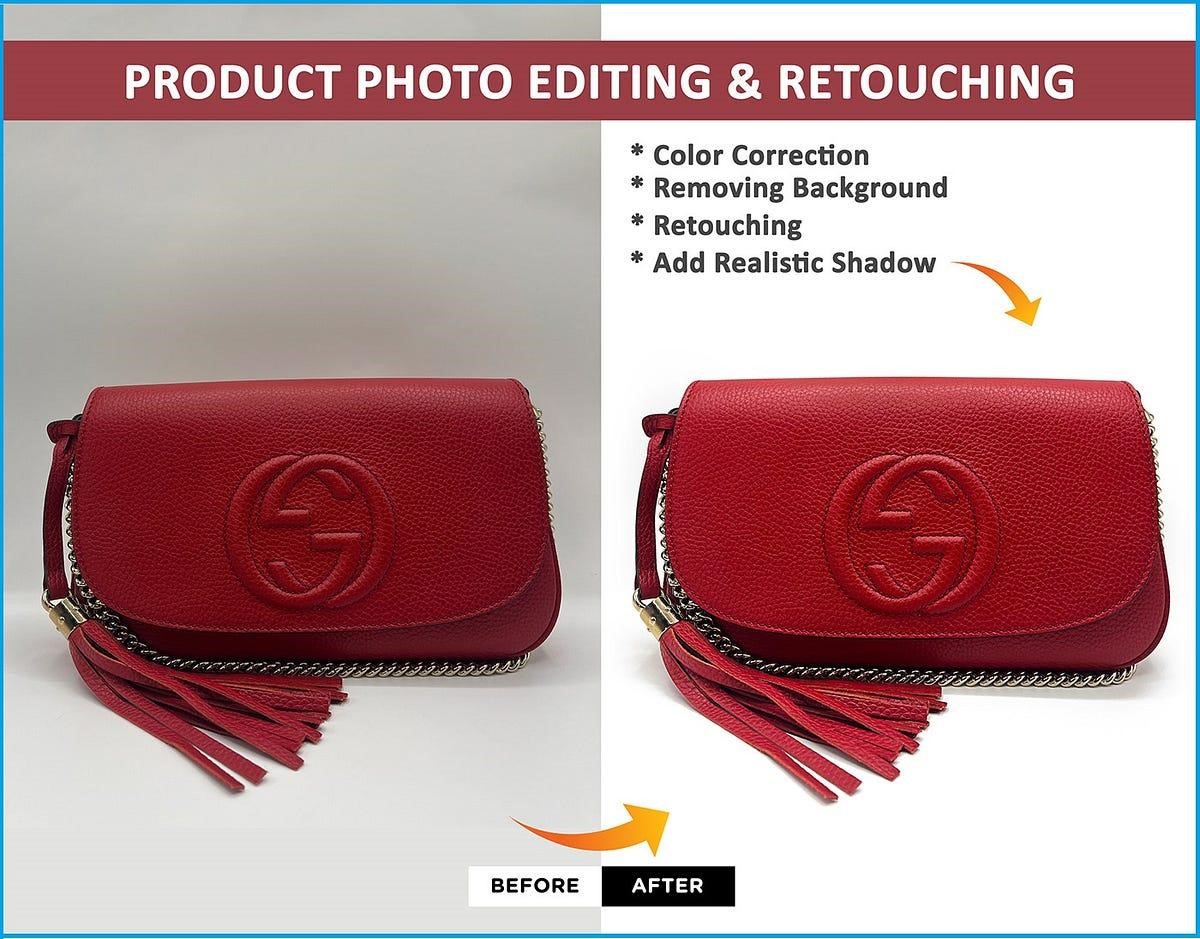
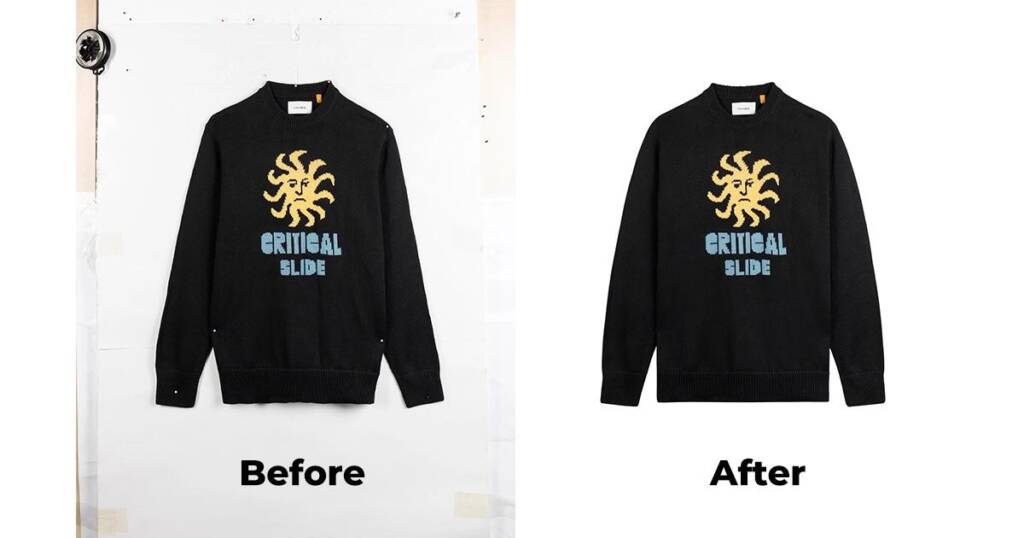
Correcting colors, backgrounds, wrinkles, dust, reflections, ghost mannequin effects, clipping paths, and ensuring accurate product representation.
5. Internal Review & Approval
Marketing, merchandising, and brand teams review images for consistency and quality.
6. Publishing
Optimizing images for websites, marketplaces, social media, and advertising campaigns.
The speed of your product launch is only as strong as the efficiency of your image workflow.
Common Bottlenecks That Delay Product Launches
| Challenge | Impact |
|---|
| Manual file management | Slower production |
| Multiple revision rounds | Delayed approvals |
| Inconsistent editing | Poor brand perception |
| Lack of standardized workflows | Increased operational costs |
| Poor communication | Missed launch dates |
How to Streamline Your Product Image Workflow
Standardize Image Guidelines
Create clear editing standards for colors, shadows, backgrounds, cropping, and naming conventions.
Organize Files from Day One
Maintain structured folders by:
- Collection
- SKU
- Season
- Campaign
- Product category
Automate Repetitive Tasks
Leverage AI for repetitive tasks such as:
- Background removal
- Initial masking
- File sorting
Then use expert retouchers for quality control and final refinements.
Build a Centralized Review Process
Instead of scattered email approvals, use one centralized review process where all stakeholders can review and approve images efficiently.
Optimize for Every Sales Channel
Prepare image variations for:
- Shopify
- WooCommerce
- Amazon
- Walmart Marketplace
- Social Media
- Paid Ads
This avoids duplicate work later.
Why Faster Go-Live Matters
Launching products faster enables brands to:
- Respond quickly to trends
- Meet seasonal deadlines
- Keep marketing campaigns on schedule
- Improve operational efficiency
- Increase sales opportunities
Every day saved in production creates more opportunities to generate revenue.
AI-assisted image editing workflows
How Mubytech Helps
At Mubytech, we help fashion and eCommerce brands streamline their product image workflows by combining:
- AI-assisted editing
- Professional retouching
- Ghost mannequin services
- Clipping paths
- Color correction
- Catalog management
- Multi-platform image optimization
- Quality assurance
Our workflows are designed to help brands move from studio to store with speed, consistency, and confidence.
Conclusion
The journey from a photoshoot to a live product page involves far more than editing images.
A structured product image workflow reduces delays, improves collaboration, and helps brands launch products faster without compromising quality.
In today’s competitive eCommerce landscape, efficiency isn’t just an operational advantage—it’s a competitive one.
FAQs
By standardizing file management, automating repetitive tasks, implementing structured review processes, and partnering with experienced image editing professionals.
It reduces production delays, improves collaboration, ensures consistent branding, and speeds up product launches.
Common bottlenecks include manual file management, multiple revision cycles, inconsistent editing, and unstructured approval processes.
Professional editing ensures accurate colors, consistent quality, faster approvals, and marketplace-ready images.