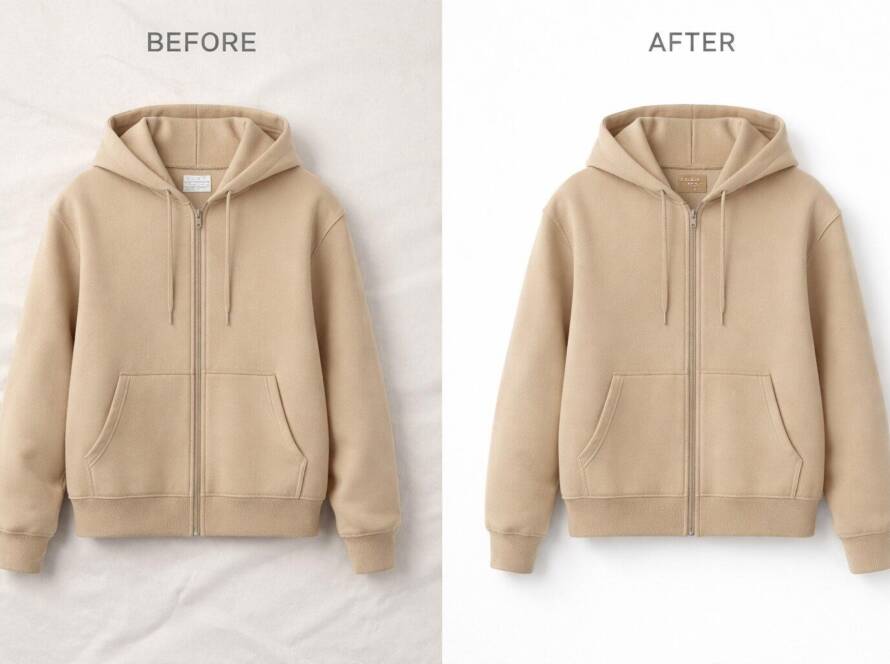



Visual Consistency Builds Customer Trust
Customers often judge brands based on visual presentation before making a purchase.
When product images look polished and consistent, customers feel:
- The brand is professional
- Products are reliable
- Quality standards are maintained
On the other hand, inconsistent visuals can make even good products appear less trustworthy.
Trust plays a major role in ecommerce success, and consistency helps create that confidence.
Consistent Visuals Improve Conversion Rates
Visual consistency directly affects buying decisions.
When customers see clean and uniform product images, they can compare products more easily and shop with confidence.
Consistent visuals help:
 Reduce confusion Improve product clarity Encourage faster purchasing decisions
As a result, brands often experience better conversion rates and improved sales performance.
Strong Branding Starts With Consistency
Successful ecommerce brands maintain a recognizable visual identity.
Think about leading online brands — their product visuals usually follow the same:
- Editing style
- Background color
- Lighting setup
- Product positioning
This consistency strengthens brand recognition and creates familiarity.
When customers repeatedly see the same visual style, the brand becomes easier to remember.
Inconsistent Images Can Hurt Your Revenue
Many brands underestimate the financial impact of inconsistent visuals.
Poor consistency can lead to:
- Lower customer trust
- Higher bounce rates
- Reduced conversions
- Increased product returns
Customers may hesitate to buy if products appear different across pages or platforms.
Over time, these small issues can significantly affect revenue growth.
The Role of Editing in Maintaining Consistency
Professional editing is essential for achieving visual consistency.
Editing helps standardize:
Brightness and contrast Color tones Background cleanliness Shadow balance Product alignment
Even if product photos are captured in different conditions, proper editing can create a unified visual appearance.
This is especially important for brands managing large product catalogs.
Multi-Platform Selling Requires Consistent Visuals
In 2026, ecommerce brands sell across multiple channels, including:
- Shopify stores
- Amazon marketplaces
- Instagram shops
- Facebook ads
- Google Shopping
Customers often encounter the same product on different platforms.
If visuals vary significantly between platforms, customers may lose confidence in the brand.
Consistent imagery ensures a seamless shopping experience across every channel.
AI Workflows Make Consistency Easier — But Human Oversight Still Matters
AI-powered workflows are transforming how ecommerce brands handle large-scale image production. From faster editing to standardized outputs, automation is making visual consistency easier to achieve across catalogs and campaigns.
AI can assist with:
- Background removal
- Batch editing
- Color matching
- Automated resizing
However, human retouching remains essential for:
Detail accuracy Quality control Natural appearance Brand-specific styling
The best results often come from combining AI efficiency with human precision.
Common Mistakes That Break Visual Consistency
Many ecommerce businesses unknowingly damage visual consistency by:
- Using different editing styles
- Changing backgrounds frequently
- Uploading mixed image sizes
- Applying inconsistent lighting
- Skipping quality checks
These issues make the overall catalog look disorganized.
Establishing clear visual guidelines helps prevent these mistakes.