

A successful eCommerce business depends on more than a good product and an attractive website. Behind every product listing is a supply chain that connects brands, vendors, manufacturers, warehouses, retailers, and customers.
Three important participants in this system are in-house brands, vendors, and retailers. Each has a different responsibility, but their work is closely connected. In-house brands define the product and brand identity, vendors provide materials or manufacturing support, and retailers bring the final product to customers.
When these groups communicate effectively, businesses can improve product quality, reduce delays, manage inventory, and create a better shopping experience.
Smart brands are no longer spending more on photoshoots — they’re investing in smarter workflows powered by AI Wrapping.
What Are In-House Brands?
In-house brands, also called private-label or store brands, are products developed and sold under a retailer’s own brand name.
The retailer may control:
Product design.
Materials or ingredients.
Quality standards.
Packaging.
Pricing.
Marketing.
Product positioning.
Customer experience.
The product may be manufactured by an external supplier, but it is sold under the retailer’s brand.
For example, a retailer may work with a manufacturer to create clothing, beauty products, furniture, or household goods based on its own specifications. The retailer owns the brand relationship, while the manufacturing partner handles production.
Private-label products are made to a retailer’s specifications and sold under its own name. This gives the retailer greater control over product differentiation, pricing, and branding.
What Role Do Vendors Play?
Vendors supply the materials, products, services, or manufacturing capabilities required by brands and retailers.
Depending on the business model, a vendor may provide:
Raw materials.
Finished products.
Packaging.
Product components.
Manufacturing services.
Warehousing.
Logistics support.
Product photography.
Photo editing and catalog services.
Vendors allow retailers to access specialized knowledge and production capacity without building everything internally.
They can also help businesses respond to seasonal demand. For example, a retailer may need additional production capacity before a festive season or major sale. A reliable vendor can help increase output while maintaining agreed quality standards.
What Is the Role of the Retailer?
The retailer connects products with customers. In eCommerce, this role includes much more than selling products through a website.
Retailers are responsible for:
Selecting products.
Managing product catalogs.
Setting prices.
Maintaining inventory.
Creating product listings.
Marketing products.
Managing online stores.
Handling customer service.
Coordinating shipping and returns.
Collecting customer feedback.
Retailers also gather valuable information about customer behavior. Search data, reviews, returns, and sales performance can help in-house brands and vendors improve products.
How They Work Together
The supply chain usually follows this process:
The retailer identifies customer demand.
The in-house brand develops a product concept.
The retailer shares specifications with a vendor.
The vendor provides materials or manufactures the product.
Quality checks are completed.
Products are shipped to a warehouse or fulfillment center.
The retailer prepares product listings and marketing content.
Customers purchase the products.
Sales data and customer feedback are shared with the brand and vendor.
Future products are improved based on market response.
This is a continuous cycle rather than a one-time transaction.
The Supply Chain Relationship
| Participant | Main responsibility | Business value |
|---|---|---|
| In-house brand | Defines product, quality, packaging, and brand identity | Differentiation and stronger brand control |
| Vendor | Supplies materials, products, or manufacturing expertise | Production capacity and specialized knowledge |
| Retailer | Markets and sells the product to customers | Customer access, sales, and market feedback |
| Customer | Purchases and evaluates the product | Revenue, reviews, and demand information |
Each participant depends on the others. A retailer may understand customers but lack manufacturing resources. A vendor may have production expertise but need a strong sales channel. An in-house brand may create the product concept but depend on both parties to deliver it successfully.
Why Collaboration Matters
Better product development
Retailers understand customer preferences, while vendors understand production possibilities. Combining these insights helps brands develop products that are both desirable and practical to manufacture.
Improved quality control
Clear product specifications and regular quality checks help ensure that the finished product matches the retailer’s expectations.
Faster response to demand
When sales data is shared quickly, vendors can adjust production and retailers can reorder popular products before inventory runs out.
Lower operational costs
Better coordination can reduce waste, prevent unnecessary rework, and improve production planning.
Stronger customer experience
When product quality, stock availability, images, descriptions, and delivery are managed properly, customers receive a more reliable shopping experience.
Strategic vendor relationships are increasingly important because a purely transactional approach may not provide the innovation, flexibility, and continuous quality improvement that private brands need.mckinsey
The Role of Product Images
Product images are an important part of the modern supply chain. They connect the physical product with the online customer.
Before a product reaches the customer, its images may need to be:
Photographed.
Retouched.
Cropped.
Resized.
Optimized.
Translated.
Prepared for marketplaces.
Uploaded to the product catalog.
High-quality visuals help customers understand the product and make confident buying decisions.
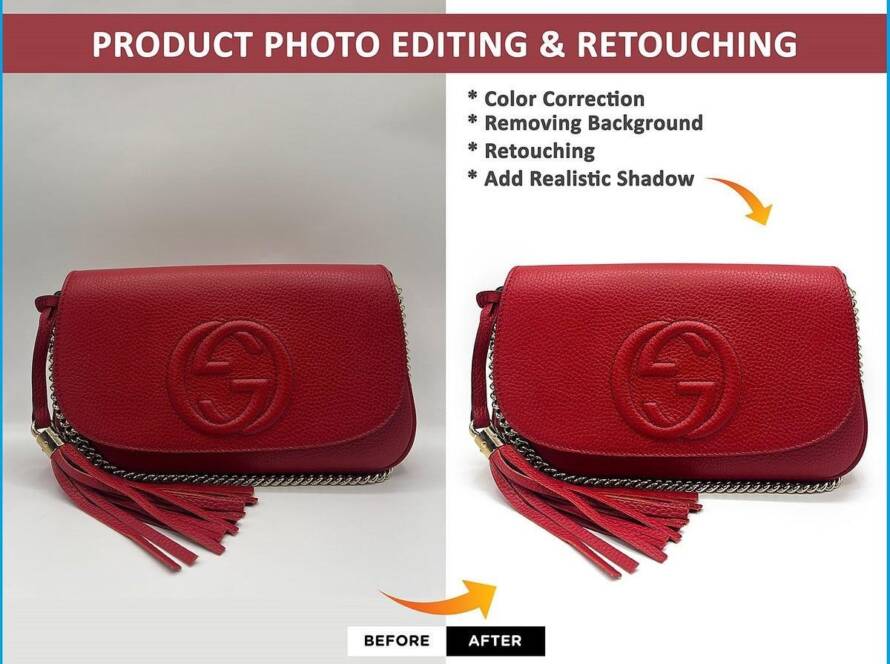
For example, a vendor may manufacture a product, but the retailer must present it accurately online. Poor lighting, inconsistent backgrounds, or incorrect colors can reduce customer trust and increase returns.
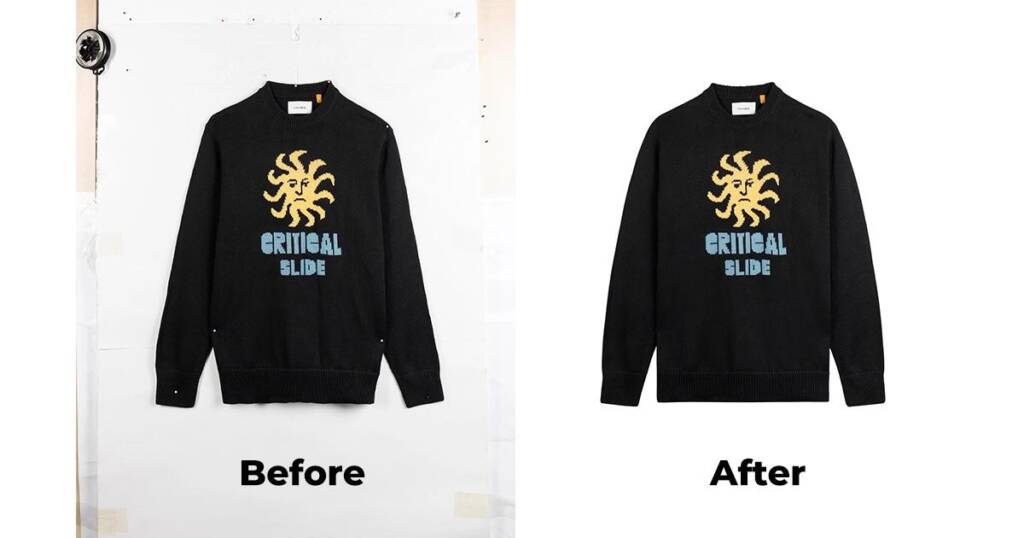
Professional photo editing services can support the supply chain by preparing consistent product images in bulk. Mubytech provides photo editing, cutout, retouching, and product catalog management services for eCommerce businesses.
Common Challenges
Supply disruptions
Material shortages, shipping delays, and production problems can affect product availability. Retailers and vendors should maintain backup plans and communicate quickly when disruptions occur.
Quality inconsistencies
Products may vary between production batches. Regular inspections, approved samples, and clear quality standards help reduce this risk.
Poor communication
Misunderstood product specifications can lead to incorrect materials, packaging, or product features. Written briefs and regular reviews are essential.
Inventory imbalance
Overproduction can create excess stock, while underproduction can cause stockouts. Sales forecasting and shared demand data can improve inventory planning.
Delayed product content
Products may arrive at a warehouse before images, descriptions, or marketplace assets are ready. Coordinating photography, editing, and catalog management earlier can reduce launch delays.
How to Improve Collaboration
Define clear responsibilities for every participant.
Use written product specifications.
Approve samples before mass production.
Share sales and customer feedback.
Track production and delivery milestones.
Use centralized project management tools.
Establish quality-control procedures.
Maintain backup vendors for critical products.
Prepare product images before inventory arrives.
Review performance after every product launch.
A shared workflow helps all parties understand deadlines, dependencies, and potential risks.
Example of a Private-Label Supply Chain
Consider an online retailer launching a private-label skincare product.
The retailer identifies demand for a specific product type.
The in-house brand defines the formula, packaging, price, and target audience.
A vendor manufactures the product and supplies the packaging.
The retailer checks samples for quality and compliance.
A photographer captures product images.
A photo editing team removes backgrounds, corrects colors, and creates lifestyle visuals.
The retailer uploads the images and product information to its online store.
Customer reviews and sales data are shared with the brand and vendor.
The next production batch is improved based on customer feedback.
This example shows how product development, manufacturing, visual content, retail, and customer feedback work together.
Conclusion
In-house brands, vendors, and retailers play different but connected roles in the eCommerce supply chain. In-house brands control the product concept and brand identity, vendors provide materials and production expertise, and retailers connect products with customers.
Their success depends on communication, shared data, quality control, accurate inventory planning, and reliable product presentation. Product images are also an important part of this process because they help customers understand and trust products online.
By building strong relationships and using efficient catalog and image-editing workflows, businesses can reduce delays, improve product quality, and create a stronger customer experience.
Looking to Reduce Your Photoshoot Costs Without Compromising Quality?
Partner with MubyTech for advanced AI Wrapping, ghost mannequin editing, background removal, and professional image retouching services designed to streamline your eCommerce workflow.
👉 Contact us today to explore cost-effective AI Wrapping solutions for your fashion brand.