


E-commerce brands need professional product images to attract customers and build trust. However, editing hundreds or thousands of product images can slow down product launches and marketing campaigns.
The future of eCommerce post-production combines AI, automation, and human expertise. This approach helps businesses create polished product visuals faster while maintaining accurate colors, realistic details, and consistent brand quality.
What Is eCommerce Post-Production?
E-commerce post-production is the process of improving and preparing product images after photography. It commonly includes:
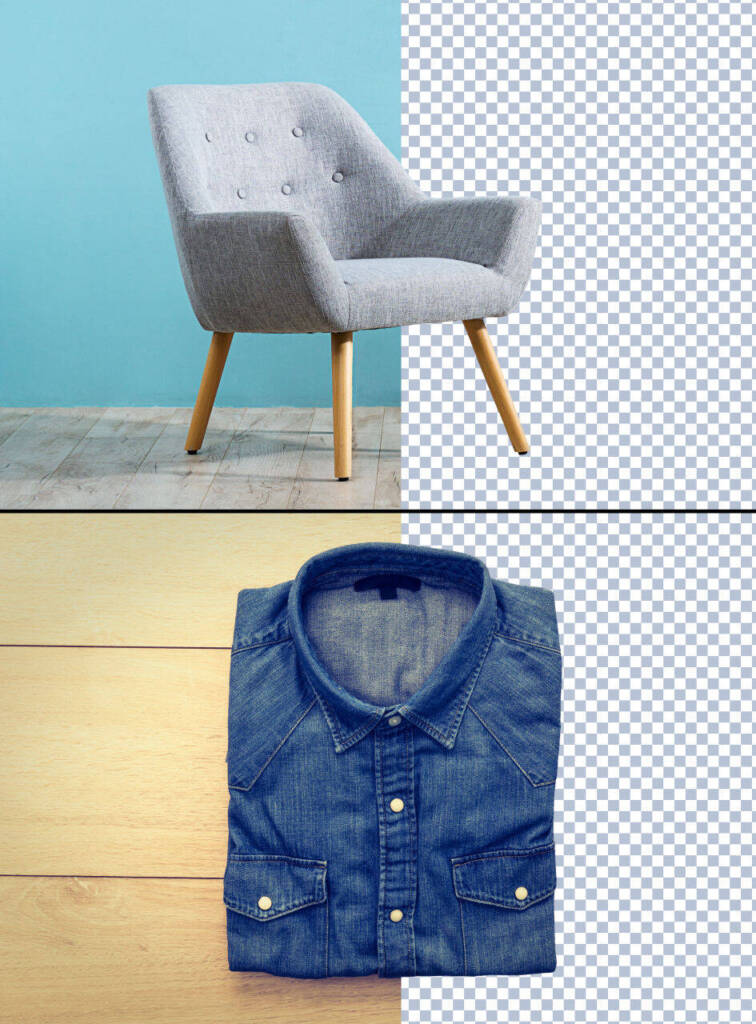
Background removal.
Clipping path creation.
Color correction.
Product retouching.
Shadow and reflection creation.
Ghost mannequin editing.
Background replacement.
Image resizing and cropping.
Marketplace image preparation.
These services transform raw photographs into ready-to-publish images for online stores, marketplaces, social media, and advertisements.
How AI Is Changing the Process
Faster background removal
AI tools can identify products and remove backgrounds quickly. This is useful for large catalogs that require clean white-background images.
Human editors can refine difficult areas such as:
Hair and fur.
Jewelry.
Transparent products.
Glass.
Fine fabric edges.
Complex accessories.
Automated batch editing
AI can apply the same editing settings to hundreds of images. Brands can standardize image size, background, crop, lighting, and product placement across their catalogs.
Batch editing is particularly useful for fashion, furniture, cosmetics, electronics, and marketplace sellers.
AI-generated backgrounds
AI can place a product into lifestyle settings such as a kitchen, bedroom, office, or outdoor environment. This allows brands to create campaign visuals without arranging a complete reshoot.
However, AI-generated backgrounds should not change the product’s actual color, shape, size, or texture. Product accuracy must remain the priority.photoroom+1
Automatic resizing
One master product image can be prepared for multiple channels, including:
Website product pages.
Amazon and other marketplaces.
Social media.
Mobile screens.
Email campaigns.
Digital advertisements.
Automated resizing saves time and prevents important product details from being cropped incorrectly.
Why Human Editing Still Matters
AI improves speed, but it cannot always understand brand style or product accuracy. It may create uneven edges, unrealistic shadows, incorrect colors, or distorted textures.
Professional editors are essential for:
Complex masking.
Accurate color correction.
Realistic shadows and reflections.
Jewelry and transparent objects.
Fabric and texture preservation.
Natural skin retouching.
Detailed product cleanup.
Final quality control.
The most effective solution is a hybrid workflow. AI handles repetitive tasks, while human editors review important details and correct imperfections. Hybrid editing can provide faster turnaround without making product images look artificial.pixofix+1
Benefits for E-Commerce Businesses
A modern post-production workflow can help brands:
Launch products faster.
Process large image volumes.
Reduce repetitive editing work.
Maintain consistent product visuals.
Prepare content for several sales channels.
Support international product listings.
Reduce image-related returns.
Improve customer confidence.
Image compliance can also be automated by applying the correct background color, aspect ratio, resolution, and padding for each marketplace.photoroom
The Future of E-Commerce Visual Content
The next stage of post-production will focus on:
Personalized images for different customer groups.
Localized visuals for international markets.
AI-generated lifestyle scenes.
Short product videos and animations.
3D and interactive product views.
Automated quality checks.
Direct integration with eCommerce platforms.
Faster production of advertising variations.
Brands will be able to use one master product image to create multiple versions for different markets, devices, platforms, and campaigns.
A Modern Post-Production Workflow
Step 1: Capture a high-quality product image
Begin with good lighting, accurate framing, and high-resolution photography. AI can improve images, but it cannot fix every problem caused by poor source photography.
Step 2: Organize the files
Use SKU numbers, product names, and structured folders. Include editing instructions, product information, and required output specifications.
Step 3: Apply automated editing
Use AI for background removal, basic cleanup, cropping, resizing, and initial color correction.
Step 4: Complete professional retouching
Human editors refine edges, colors, shadows, reflections, textures, and product details.
Step 5: Perform quality control
Check each image for product accuracy, brand consistency, correct dimensions, and marketplace compliance.
Step 6: Export and publish
Prepare files for the website, marketplaces, social media, advertisements, and mobile platforms.
Step 7: Measure results
Monitor product engagement, add-to-cart activity, conversion rates, customer feedback, and returns. Use this information to improve future image production.
How Mubytech Supports E-Commerce Growth
Mubytech provides photo editing, cutout, retouching, and product catalog management services for eCommerce businesses. These services help brands create consistent, high-quality visuals for large product catalogs.mubytech
Mubytech can support workflows involving:
Background removal.
Product retouching.
Clipping paths.
Color correction.
Shadow creation.
Ghost mannequin editing.
Image resizing.
Background replacement.
Bulk product image editing.
Marketplace-ready image preparation.
A professional editing partner allows eCommerce teams to reduce post-production pressure and focus on marketing, merchandising, and business growth.
Best Practices for Future-Ready Editing
Start with high-quality source images.
Create clear brand editing guidelines.
Use AI for repetitive tasks.
Use human editors for detailed work.
Preserve realistic product colors and textures.
Prepare separate files for each platform.
Review AI-generated images carefully.
Use approved sample images for bulk projects.
Keep original master files safely stored.
Track image performance after publication.
Conclusion
The future of eCommerce post-production is built on the combination of AI, automation, and human creativity. AI can speed up background removal, batch editing, resizing, and content creation, while professional editors protect quality, accuracy, and brand consistency.
By adopting a hybrid workflow, eCommerce businesses can publish products faster, manage larger catalogs, create content for multiple channels, and deliver a better shopping experience.
For brands looking to scale, professional photo editing services such as Mubytech can provide the expertise and workflow support needed to turn product photography into a powerful growth tool.
Ready to Upgrade Your Product Images for 2026?
Partner with MubyTech to implement the latest image editing trends, including AI Wrapping, ghost mannequin editing, background removal, and professional retouching. Deliver consistent, high-quality visuals that enhance brand value and drive conversions.
👉 Contact us today to explore advanced eCommerce image editing solutions.