

Every season brings a new opportunity for eCommerce brands to connect with customers.
Summer collections call for lighter colours and outdoor settings. Winter campaigns introduce layered outfits, warmer tones, and different product combinations. Holiday promotions bring festive backgrounds, gifting themes, and campaign-specific visuals.
But creating seasonal imagery involves more than changing the background or arranging a photoshoot.
Brands need to decide how to present their products, how much existing photography can be reused, and how to maintain consistency across their entire catalog.
This is where two important approaches come into play: seasonal styling and seasonal retouching.
Although they work towards the same goal, they serve different purposes. Understanding when to use each can help brands manage production costs, maintain visual quality, and create more relevant shopping experiences.
1. What Is Seasonal Styling?
Seasonal styling focuses on how products are presented to reflect a particular season, trend, or campaign.
It usually involves creative decisions made before or during photography.
For example:
Summer collections featuring lightweight outfits and outdoor settings.
Winter campaigns using layered clothing and warmer environments.
Festive collections featuring holiday-inspired props and backgrounds.
Spring campaigns using brighter colours and natural settings.
Back-to-school campaigns showing products in everyday situations.
The purpose is to create a visual story that connects the product with the season.
Consider a fashion brand launching a summer collection. The same dress can be photographed against a clean studio background or styled in an outdoor setting with natural lighting.
Both images show the product, but the second creates a stronger seasonal context.
Seasonal styling helps customers imagine how a product fits into their lifestyle.
2. What Is Seasonal Retouching?
Seasonal retouching happens during post-production.
Instead of planning an entirely new photoshoot, brands can sometimes adapt existing product images to suit different seasonal campaigns.
This may involve:
Replacing or updating backgrounds.
Adjusting colours and tones.
Refining lighting and shadows.
Creating seasonal image variations.
Cleaning up product details.
Adapting images for banners and promotional campaigns.
Maintaining consistent product presentation across a catalog.
For example, a brand may already have professionally photographed winter accessories. Rather than arranging another photoshoot for every promotional requirement, the existing images may be adapted with suitable backgrounds, colour treatments, and campaign layouts.
The original product remains the focus.
Seasonal retouching helps brands extend the value of existing photography while keeping their visual content current.
3. The Key Differences Between Seasonal Styling and Seasonal Retouching
Both approaches help brands prepare for seasonal campaigns, but they serve different purposes.
Seasonal Styling | Seasonal Retouching |
|---|---|
Focuses on creative presentation | Focuses on post-production |
Usually planned before photography | Usually happens after photography |
Uses models, props, locations, and outfits | Uses editing, background changes, and image refinement |
Creates a seasonal visual story | Adapts existing images for seasonal requirements |
Often requires a new shoot | Can sometimes reuse existing photography |
For example, a fashion brand launching a winter collection may arrange a photoshoot featuring layered outfits, winter accessories, and seasonal locations.
That is seasonal styling.
The same brand may also have existing product images that need winter-themed backgrounds, adjusted lighting, or campaign-specific variations.
That is seasonal retouching.
Neither approach replaces the other. The right choice depends on the campaign, available photography, budget, and desired outcome.
4. Which Approach Has a Greater Impact on Sales?
The answer depends on what the brand wants to achieve.
Seasonal styling can create excitement around a collection. It helps customers imagine how products fit into a particular season or lifestyle.
Seasonal retouching helps brands maintain fresh, consistent imagery across their online stores and marketing channels.
However, neither approach guarantees higher sales on its own.
What matters is how effectively the final images communicate the product and encourage customers to explore it.
Consider three situations:
Launching a new collection
Seasonal styling can help establish the collection’s visual identity and create a strong first impression.
Refreshing an existing catalog
Seasonal retouching can help update existing product images without requiring a completely new photoshoot.
Preparing a seasonal campaign
Combining both approaches can create distinctive campaign visuals while maintaining consistent product imagery across the catalog.
The strongest results often come from using each approach where it adds the most value.
5. Why Product Accuracy Should Never Be Compromised
Seasonal campaigns often encourage brands to experiment with colours, backgrounds, lighting, and creative treatments.
But there is one important rule: the product itself must remain accurate.
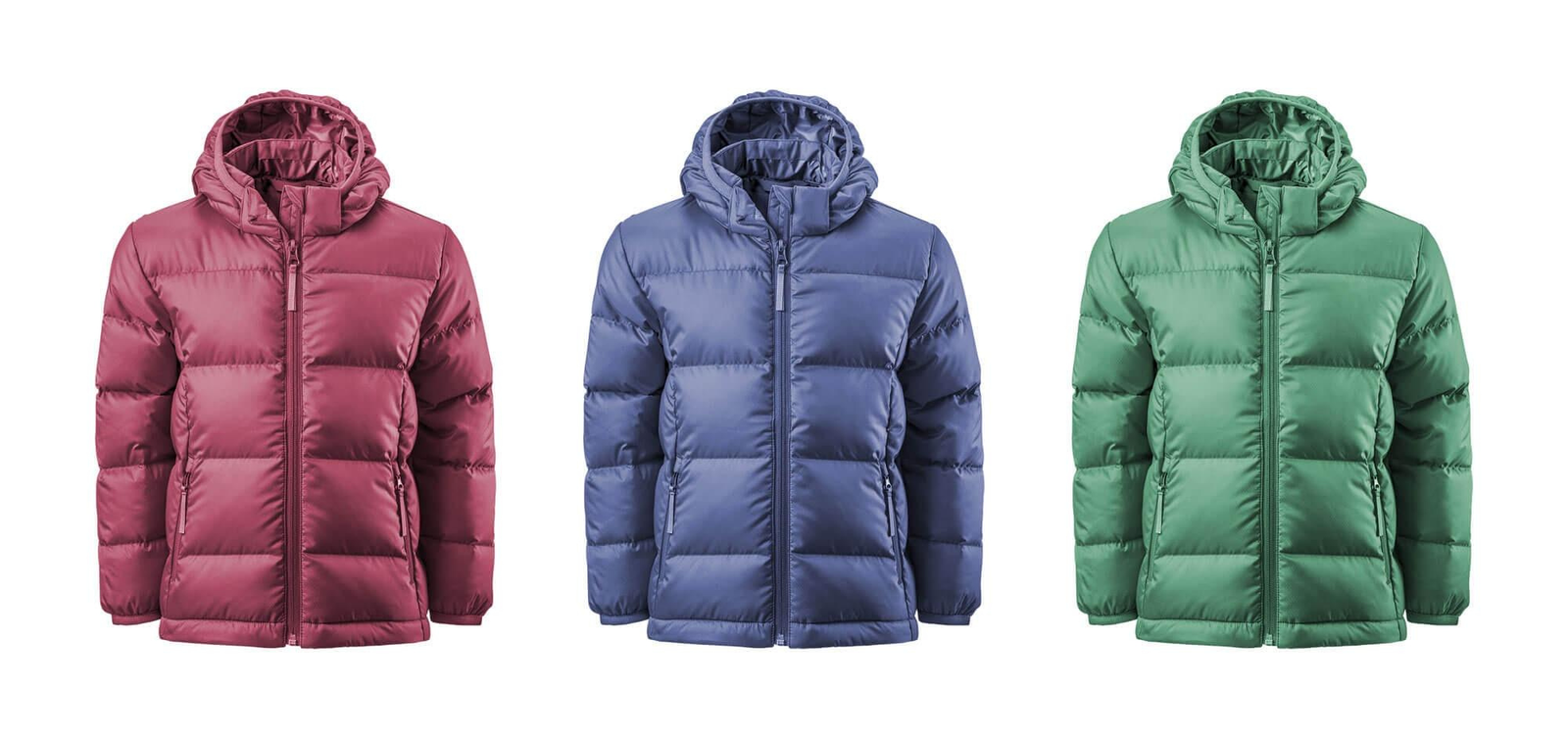
A winter background should not change the actual colour of a jacket. A summer campaign should not make a fabric appear lighter or thinner than it really is. A festive jewellery image should preserve the original design, stones, and metal details.
This matters because customers rely on product images to understand what they are purchasing.
Research published in Production and Operations Management in 2026 examined how contextual information in customer images and reviews helps shoppers evaluate products and can influence return decisions. It highlights the importance of useful visual information in helping customers form realistic expectations.
For brands, the takeaway is simple:
Seasonal creativity should enhance product presentation, not change product reality.
6. How Brands Can Get More Value From Existing Product Images
A new photoshoot is not always necessary for every seasonal update.
Brands can often get more value from their existing photography by identifying which images can be reused, refined, or adapted.
Here are a few practical opportunities:
Background replacement: Adapt suitable product images to seasonal campaign environments.
Colour refinement: Maintain consistent tones across product catalogs and campaign assets without changing the actual product colour.
Shadow and reflection editing: Improve product presentation with realistic shadows and reflections.
Image variations: Prepare different crops and formats for websites, marketplaces, email campaigns, and social media.
Catalog consistency: Apply the same editing standards across large batches of product images.
This approach helps brands make better use of their photography investment.
It also reduces unnecessary production work when existing images are already suitable for the campaign.
7. Build a Seasonal Workflow That Combines Both
Rather than treating styling and retouching as separate activities, brands should plan them together.
A practical seasonal workflow can look like this:
Step 1: Plan the campaign
Identify upcoming seasons, product launches, promotions, and visual requirements.
Step 2: Identify photography needs
Decide which products need fresh photography and which existing images can be reused.
Step 3: Complete seasonal styling
Plan models, outfits, props, locations, and creative direction for new photography.
Step 4: Handle post-production
Retouch new and existing images, update backgrounds, refine details, and prepare campaign variations.
Step 5: Quality check
Review product accuracy, colour consistency, image quality, and brand standards.
Step 6: Prepare for publishing
Deliver the final images in the correct formats and dimensions for each sales and marketing channel.
Planning these steps ahead of time gives teams more control over deadlines and helps prevent last-minute editing pressure.
How MubyTech Supports Seasonal Image Production
At MubyTech, we understand that seasonal campaigns require both creative flexibility and consistent post-production.
While styling helps establish the campaign’s visual direction, professional image editing helps prepare those visuals for eCommerce use.
Our services support brands with:
High-end product and fashion retouching
Background removal and replacement
Custom shadows and reflections
Colour correction
Model and product image editing
Seasonal image adaptations
Catalog image processing
High-volume image editing
With experienced editors and AI-assisted capabilities supported by quality checks, MubyTech helps brands manage their image requirements while maintaining product accuracy and visual consistency.
Whether you are preparing a new seasonal collection or refreshing an existing catalog, the right post-production workflow can help keep your images ready for every campaign.
Final Thoughts: It’s Not Styling vs Retouching. It’s Knowing When to Use Both.
Seasonal styling and seasonal retouching serve different purposes, but both contribute to a stronger eCommerce visual strategy.
Styling creates the seasonal story. Retouching helps extend that story across product catalogs, campaigns, and customer touchpoints.
Brands don’t need to choose one over the other.
They need to understand when a new photoshoot will add value and when professional editing can make existing images work harder.
Ultimately, the goal is to create imagery that feels relevant, looks professional, and represents the product accurately.
Create the seasonal story. Maintain the visual standard. Make every product image count.
FAQs
Seasonal styling focuses on the creative presentation of products during photography. Seasonal retouching focuses on editing existing or newly photographed images to meet seasonal campaign requirements.
Not always. Retouching can adapt suitable existing images, but new photography may still be necessary when a campaign requires new outfits, models, product angles, or creative concepts.
It depends on the project. Retouching existing images may reduce the need for additional photography, while styling can be a valuable investment for new collections and major campaigns.
Yes. Background updates, colour refinement, shadow editing, and consistent image treatments can help make product imagery more suitable for seasonal campaigns.