


Visual content has always played an important role in eCommerce. But in 2026, the role of product imagery has changed significantly.
Brands are no longer thinking only about how a product looks in a studio photograph. They are thinking about how that product appears across product pages, marketplaces, social media, digital campaigns, mobile screens, and personalized shopping experiences.
At the same time, AI-powered tools have made it easier to create, modify, and produce visual content at scale.
But more images and faster production do not automatically create a better visual strategy.
The real challenge is maintaining quality, consistency, accuracy, and brand identity while producing more content than ever before.
So, how exactly has visual strategy evolved in 2026—and where is it going next?
1. Visual Strategy Has Moved Beyond the Product Page
Previously, product imagery was often created primarily for the eCommerce product page.
Today, the same product needs to work across multiple customer touchpoints.
A single product may appear in:
- Product listings
- Website banners
- Marketplaces
- Social media
- Paid advertising
- Email campaigns
- Seasonal promotions
- Mobile shopping experiences
This means brands need a visual system, not just a collection of individual images.
The image must remain recognizable, consistent, and aligned with the brand wherever the customer sees it.
In 2026, visual strategy is no longer just about creating beautiful images. It is about creating the right images, at the right scale, for every customer touchpoint.
2. Consistency Has Become a Bigger Priority
As product catalogs grow, maintaining visual consistency becomes increasingly difficult.
Different photographers, locations, lighting conditions, models, and editing teams can easily create variations in:
- Backgrounds
- Skin tones
- Product colors
- Shadows
- Cropping
- Exposure
- Product positioning
A customer may not consciously identify these differences, but inconsistent imagery can make a store feel less polished.
In 2026, strong visual strategies increasingly focus on establishing clear image standards and applying them consistently across the entire catalog.
This is particularly important for fashion, jewelry, beauty, furniture, and other categories where customers depend heavily on visual information.
3. AI Has Changed the Production Process
AI has become an important part of modern visual workflows.
Brands can now use AI-assisted tools to speed up tasks such as background generation, image enhancement, resizing, cleanup, and certain creative variations.
This has changed expectations around production speed.
However, faster production does not mean every image should be completely automated.
Product imagery still requires attention to details such as:
- Accurate product shape
- Fabric texture
- Jewelry details
- Footwear construction
- Skin and hair
- Brand-specific styling
- Correct colors and patterns
For many brands, the most effective approach is therefore AI-assisted production combined with professional human review and retouching.
The goal isn’t simply to produce more images. It is to produce better images efficiently.
4. Brands Are Creating More Visual Variations
Another major shift is the growing need for image variations.
Instead of creating one image and using it everywhere, brands increasingly adapt visual content for different channels and campaigns.
For example, one product shoot may need:
Catalog image → Marketplace image → Social media creative → Campaign banner → Seasonal variation
This creates additional post-production requirements.
A strong visual strategy therefore considers how an image will be used before the editing process begins.
Planning these requirements early can reduce unnecessary reshoots and make the content pipeline much more efficient.
AI may speed up production, but human creativity still gives ecommerce visuals their real impact.
5. Visual Quality Is Becoming More About Accuracy
High-quality imagery doesn’t simply mean sharp images and attractive colors.
For eCommerce, accuracy matters just as much.
Customers need to see the product as realistically as possible.
That means retouching should enhance the image without changing important product characteristics.
For example, editing should preserve:
- Fabric texture
- Product proportions
- Material details
- Jewelry structure
- Color accuracy
- Natural skin appearance
- Product patterns
This is especially important as AI-generated and AI-edited imagery becomes more common.
The better the technology becomes, the more important visual accuracy becomes.
6. The Next Stage: Visual Workflows Built for Scale
The future of visual strategy is not just about better photography or better editing tools.
It is about building a workflow that can handle increasing content demands without sacrificing quality.
Brands will increasingly need workflows that connect:
Photography → Image Editing → Quality Control → Catalog Management → Content Delivery
This approach allows visual teams to think beyond individual images and focus on the entire production pipeline.
For growing eCommerce businesses, that can make a significant difference when launching new collections, managing seasonal campaigns, or processing large product catalogs.

Where Is Visual Strategy Headed Next?
The next evolution will likely focus on speed, personalization, automation, and control.
But one thing will remain important: the brand needs to control how its products are represented.
Technology will continue to make visual production faster. AI will continue to provide new creative possibilities. Yet brands will still need strong standards, experienced review, and reliable workflows to ensure those tools produce commercially usable content.
The future isn’t necessarily AI vs. human editing.
It is about creating a workflow where technology handles repetitive work while experienced professionals protect quality, accuracy, and brand consistency.
How MubyTech Fits Into the Evolving Visual Workflow
At MubyTech, we understand that modern eCommerce brands need more than basic image editing.
Our workflow combines professional image retouching, AI-assisted capabilities, quality control, and scalable production to help brands manage growing visual content requirements.
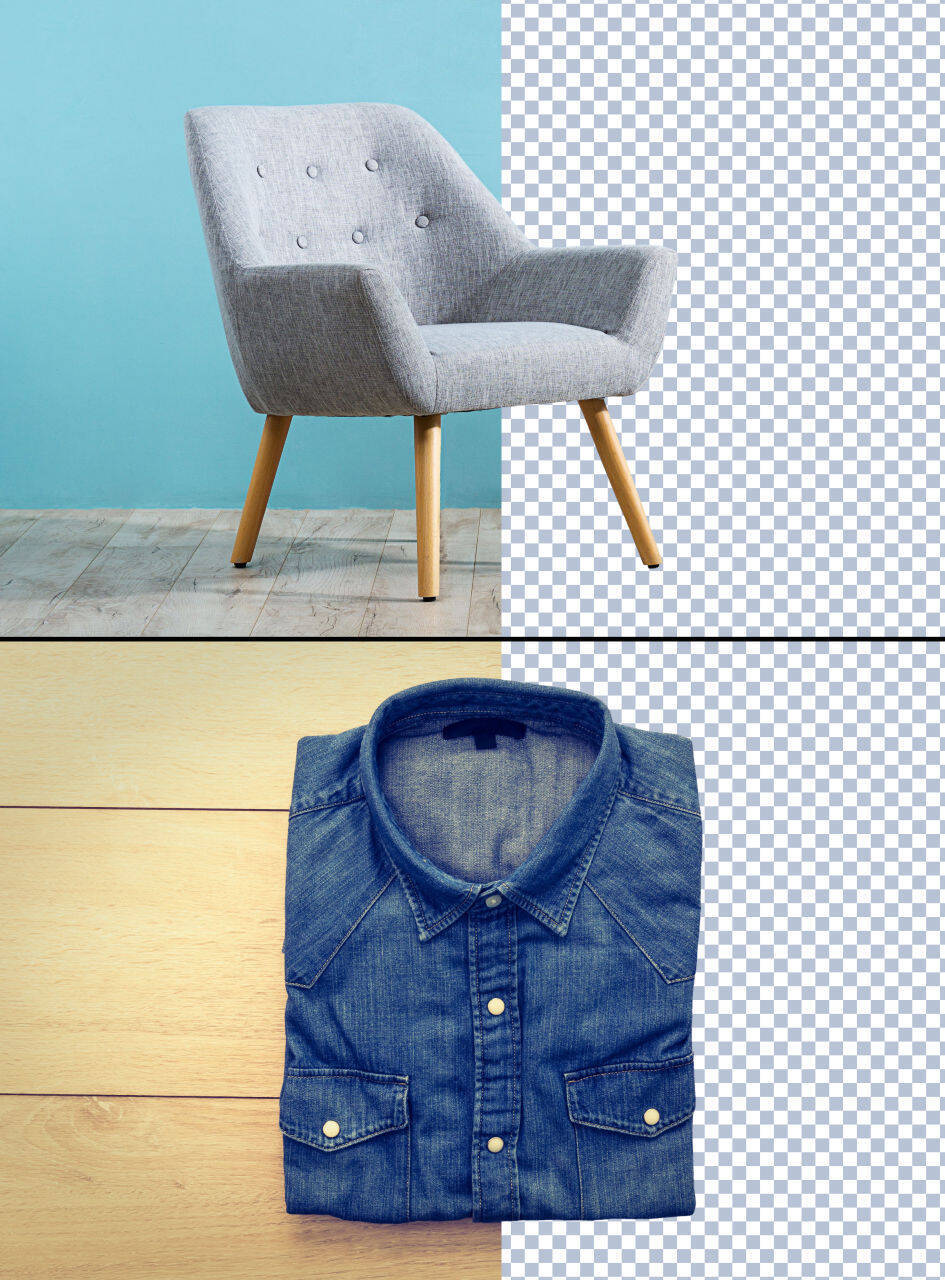
From product retouching and background removal to catalog image processing and high-volume editing, the focus remains the same:
Consistent visuals. Accurate products. Faster production.
Whether a brand is processing hundreds of images or thousands of images for a new collection, the right post-production workflow can help keep visual standards consistent from studio to store.
AI-assisted image editing workflows
Final Thoughts
Visual strategy in 2026 is no longer simply about making product images look good.
It is about creating a consistent visual experience across every customer touchpoint while managing the growing demand for content.
The brands that adapt successfully will not necessarily be the ones producing the most images.
They will be the ones building a visual workflow that balances:
Creativity + Technology + Accuracy + Consistency + Scale
And as eCommerce continues to evolve, that balance will become even more important.
FAQs
Visual strategy is the planned approach a brand uses to create, edit, manage, and distribute visual content across its website, marketplaces, social media, advertising, and other customer touchpoints.
It has moved from simply producing attractive product images toward managing consistent, scalable, multi-channel visual content. AI-assisted editing has also become a larger part of the production process.
Not necessarily. AI can accelerate repetitive editing tasks, but professional review remains important for product accuracy, complex details, brand consistency, and final quality.