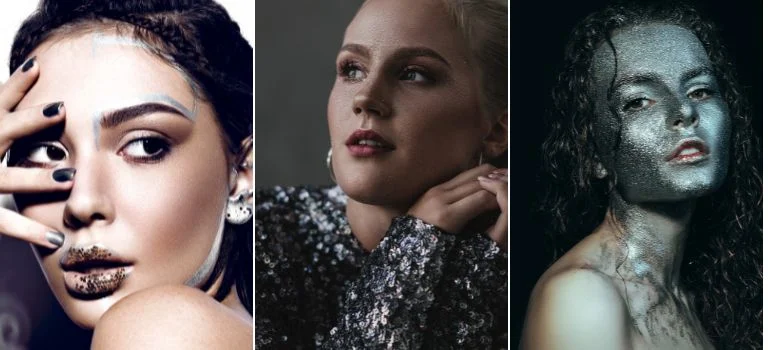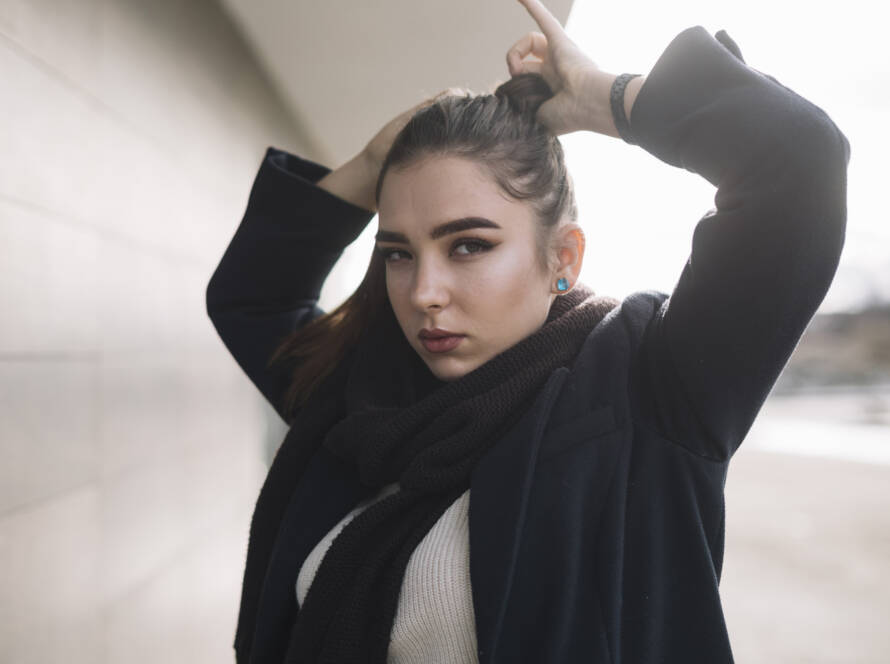


IIn ecommerce, images are more than decorative assets — they are conversion drivers. However, not all images serve the same purpose. Lifestyle shots and product shots play very different roles, and therefore require completely different editing strategies.
Understanding the difference between lifestyle shots vs product shots editing can dramatically improve visual impact, customer trust, and overall sales performance.
Let’s break it down clearly
What Are Product Shots?
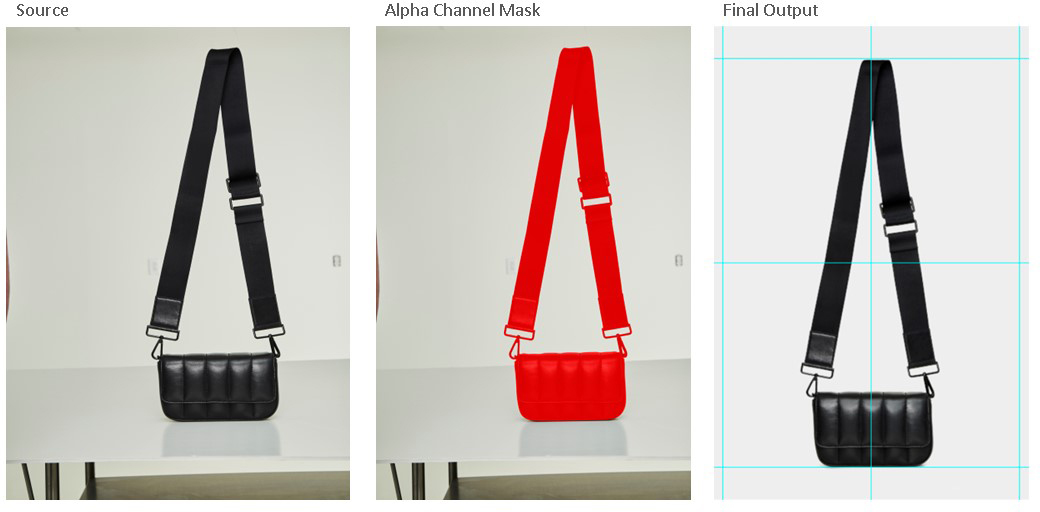
Product shots are clean, isolated images that showcase the item clearly — usually on a white or neutral background. These images dominate product detail pages on platforms like Amazon and Shopify stores.
Purpose of Product Shots
- Highlight product details
- Show accurate color and texture
- Meet marketplace compliance standards
- Reduce buying uncertainty
Product shots focus on clarity, precision, and uniformity.
Product shots answer logical questions: What is it? What does it look like? Is it accurate?
Because of this emotional role, editing requires a completely different mindset.
Why Editing Approaches Must Differ
Although both image types support ecommerce sales, they influence buyers at different stages of the journey.
1. Editing Goal: Accuracy vs Atmosphere
Product Shots:
Editing must ensure perfect color correction, shadow refinement, background removal, and sharp detail. The goal is technical perfection.
Lifestyle Shots:
Editing enhances mood, lighting warmth, skin tones, and environmental harmony. The goal is emotional resonance.
Both matter — but they must remain separate.
2. Background Treatment
Product shots require:
- Pure white or uniform backgrounds
- Distraction-free presentation
- Marketplace compliance
Lifestyle shots require:
- Natural environment blending
- Controlled depth of field
- Color grading for mood consistency
Applying product-style editing to lifestyle photos can strip away authenticity. Conversely, applying heavy mood grading to product shots can reduce accuracy.
3. Color Correction Strategy
Product images demand precise color matching to prevent returns. Misrepresenting shade or tone can lead to customer dissatisfaction.
Lifestyle images, however, may use slight warmth, cinematic tones, or subtle creative grading to evoke feelings.
Precision builds trust. Atmosphere builds desire.
Both matter — but they must remain separate.
4. Retouching Intensity
For Product Shots:
- Remove dust and scratches
- Enhance edges and contours
- Correct perspective distortion
- Maintain realistic shadows
For Lifestyle Shots:
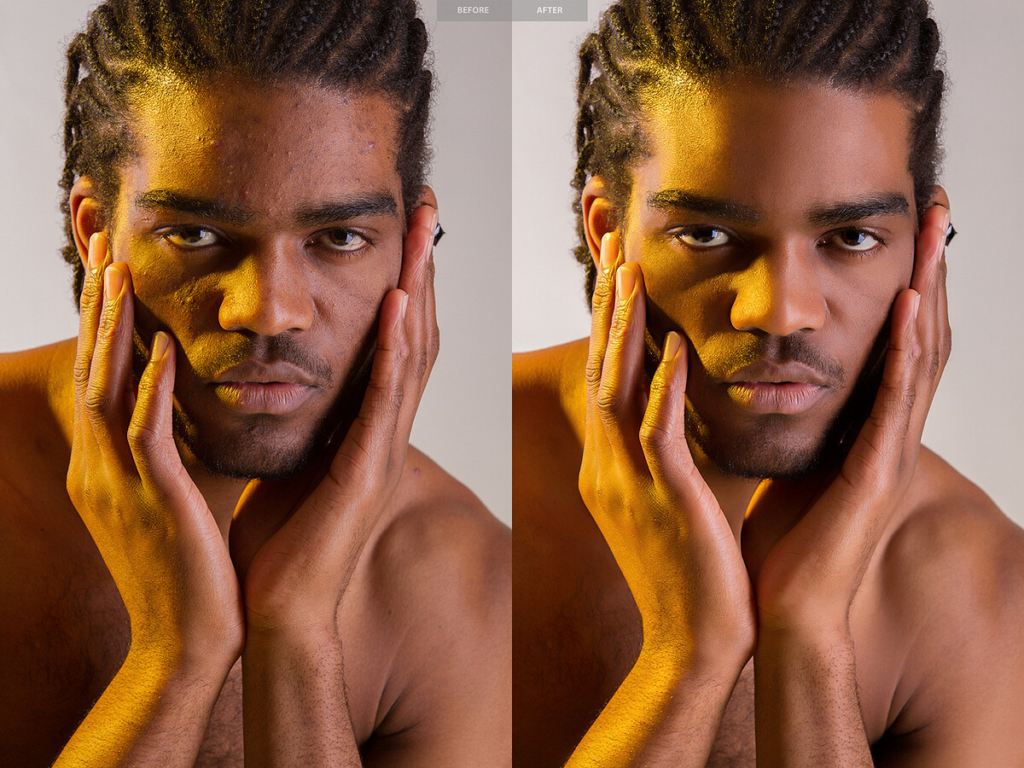
- Retouch skin naturally
- Balance lighting across scene
- Remove distractions from background
- Enhance focus on the subject
The editing depth differs because the viewer’s focus differs.
The Conversion Journey: How Both Work Together
Lifestyle and product shots support different stages of the buying process.
| Stage | Image Type | Purpose |
|---|---|---|
| Awareness | Lifestyle | Capture attention |
| Consideration | Lifestyle + Product | Build desire + clarity |
| Decision | Product | Provide confidence |
Smart ecommerce brands understand this sequence. Therefore, they develop editing workflows tailored to each image type.
Common Mistakes Brands Make
Many brands use identical editing presets for all images. This creates problems such as:
- Over-edited lifestyle photos that feel artificial
- Under-polished product shots that look amateur
- Inconsistent brand tone
- Lower conversion rates
A structured editing strategy prevents these issues and maintains catalog harmony.
AI-assisted image editing workflows
Business Impact of Proper Editing Separation
Separating lifestyle shots vs product shots editing results in:
1. Higher Conversion Rates
Clear product images reduce hesitation.
2. Stronger Brand Identity
Lifestyle imagery builds emotional storytelling.
3. Reduced Return Rates
Accurate product shots prevent expectation mismatch.
4. Improved Marketplace Performance
Compliance-focused editing protects listings.
When both editing approaches align with purpose, visual marketing becomes significantly more effective.
Final Thoughts: Strategy Over Style
Lifestyle shots and product shots are not interchangeable. They serve different psychological roles and influence buyers differently.
Product shots create clarity.
Lifestyle shots create connection.
Therefore, editing must reflect that distinction.
Brands that treat all images the same limit their growth. However, brands that tailor editing strategies to image type create visual ecosystems that convert consistently.
In ecommerce, success lies not just in having great photos — but in editing them with intention.
FAQs
No. Lifestyle images require mood enhancement, while product shots require precise technical corrections.
White backgrounds improve clarity and comply with marketplace standards.
Yes. Lifestyle images build emotional connection, which supports higher engagement and purchase intent.