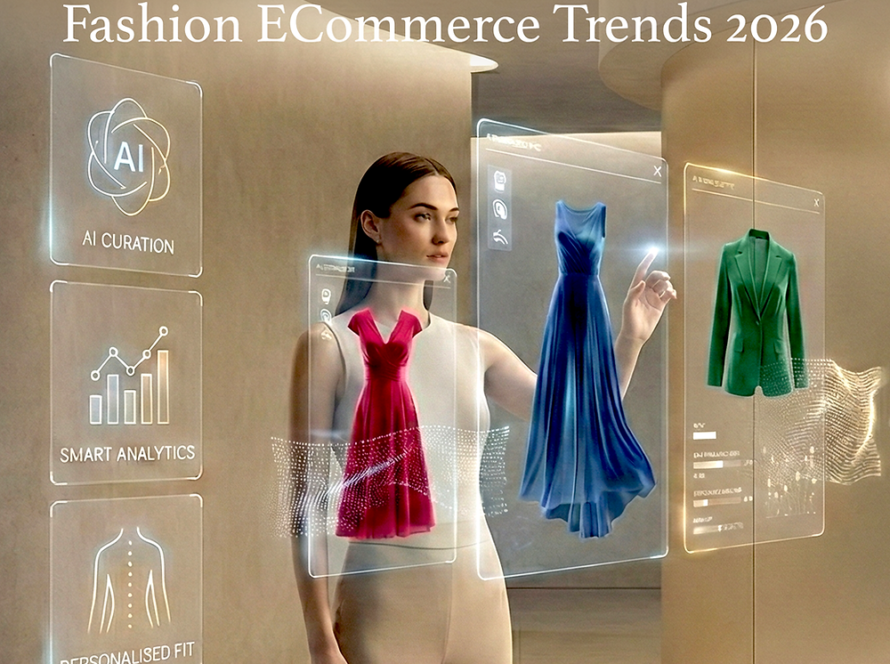


E-commerce is growing faster than ever, and product visuals are becoming more important than before. In 2026, Artificial Intelligence (AI) is playing a major role in transforming how product images are edited, optimized, and delivered.
Brands that once depended only on manual editing are now using AI-powered tools to speed up workflows, reduce editing time, and maintain consistent quality across thousands of product images.
However, the real transformation is not just AI alone — it is the combination of AI speed and human precision that is changing the future of e-commerce image retouching.
In this blog, we will explore how AI is reshaping image retouching workflows in 2026 and how businesses are using it to stay competitive.
The Rise of AI in E-commerce Image Retouching
Over the last few years, online businesses have seen a massive increase in product volumes. Managing thousands of images manually became time-consuming and expensive.
This is where AI-based retouching tools entered the industry.
AI systems can now:
- Automatically remove backgrounds
- Adjust brightness and colors
- Detect product edges
- Resize images for multiple platforms
- Apply consistent edits across batches
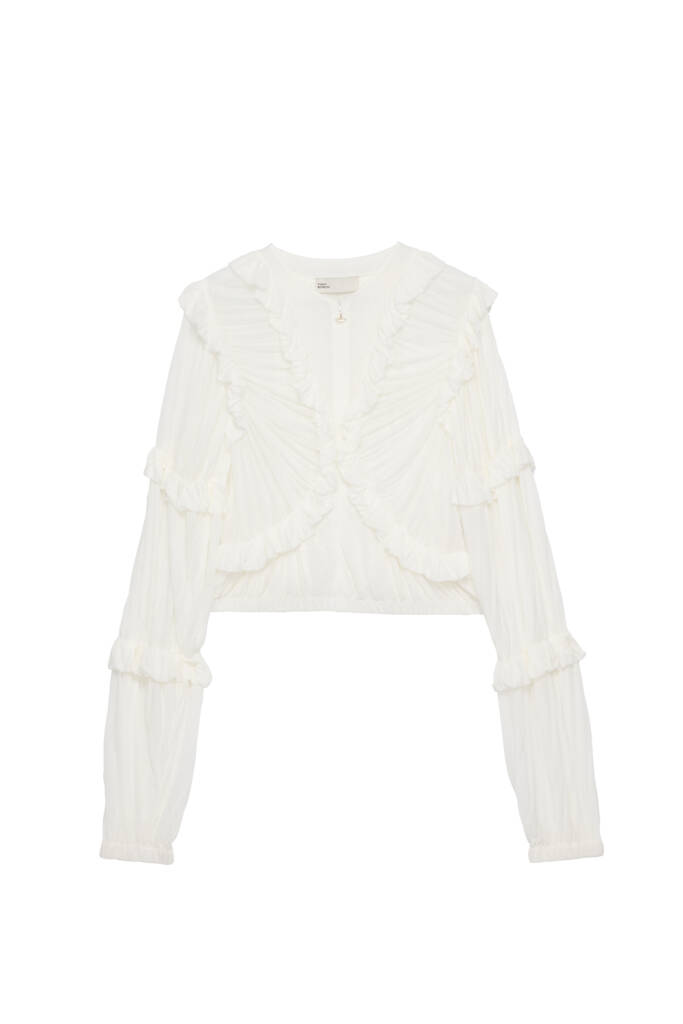
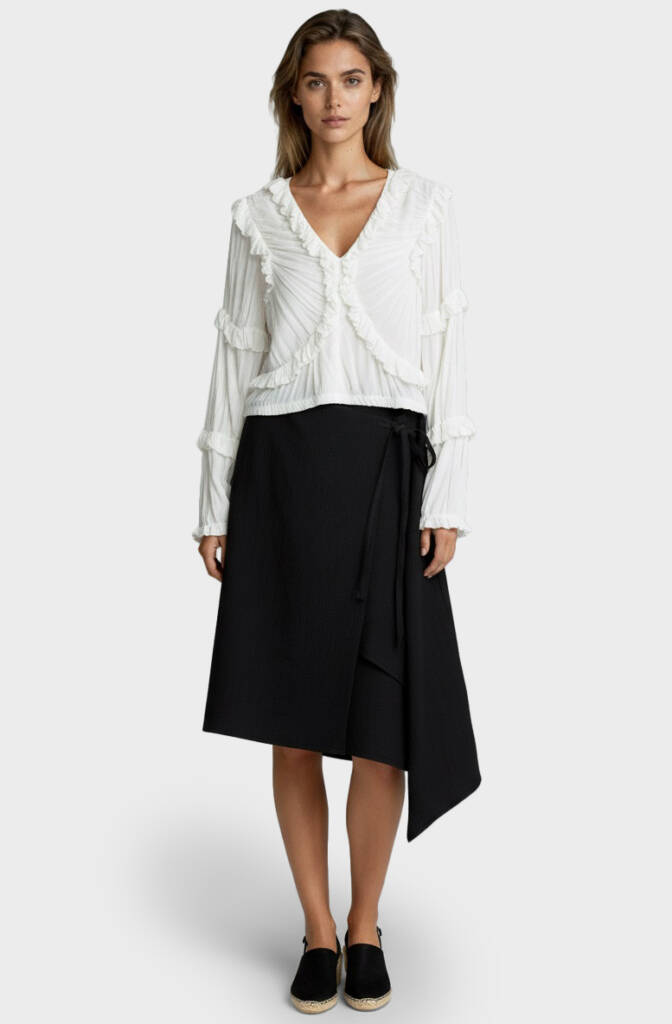
These capabilities allow e-commerce brands to process images much faster than traditional methods.
Instead of editing one image at a time, AI tools can handle hundreds of images simultaneously, saving valuable production time.
Faster Turnaround for Large Product Volumes
One of the biggest advantages AI brings to e-commerce in 2026 is speed.
Large online stores often upload:
- Hundreds of new products weekly
- Seasonal collections
- Promotional campaigns
- Marketplace product listings
AI helps reduce delays by automating repetitive tasks such as:
- Background removal
- Image cropping
- Shadow adjustments
- Basic retouching
This means businesses can launch products faster and meet tight deadlines without compromising quality.
Consistency Across Product Images
Consistency is essential in e-commerce.
Customers expect:
- Uniform backgrounds
- Balanced lighting
- Matching product colors
- Professional presentation
AI tools are excellent at maintaining visual consistency across large batches of images.
For example:
If one product image has a specific brightness level, AI can automatically apply the same settings to all similar images.
This results in:
✔ Professional-looking catalogs
✔ Uniform product displays
✔ Better customer experience
Cost Efficiency Without Compromising Quality
Traditional editing workflows required large teams to manually process images.
In 2026, AI helps reduce:
- Editing time
- Labor costs
- Repetitive manual tasks
However, brands still rely on professional retouchers to refine images and ensure accuracy.
Human experts focus on:
- Detailed retouching
- Color correction
- Product detailing
- High-end finishing
This hybrid workflow allows businesses to save money while maintaining premium image quality.
AI + Human Retouching: The Winning Formula
One major trend in 2026 is the combined use of AI and manual retouching.
AI handles:
✔ Repetitive tasks
✔ Bulk processing
✔ Initial adjustments
Human retouchers handle:
✔ Complex corrections
✔ Quality checks
✔ Final finishing
✔ Brand-specific styling
This partnership ensures that final images look professional and visually appealing.
Because in reality:
E-commerce images cannot rely only on AI tools — manual finishing is still required to achieve perfect results.
AI Enhancing Workflow Automation
AI-powered workflows now integrate directly with e-commerce platforms.
This allows:
- Automatic file uploads
- Batch editing
- Real-time processing
- Instant delivery formats
Businesses can now manage entire image workflows with minimal manual intervention.
This reduces:
✔ Bottlenecks
✔ Processing delays
✔ Manual errors
As a result, teams can focus on creative and strategic tasks instead of repetitive work.
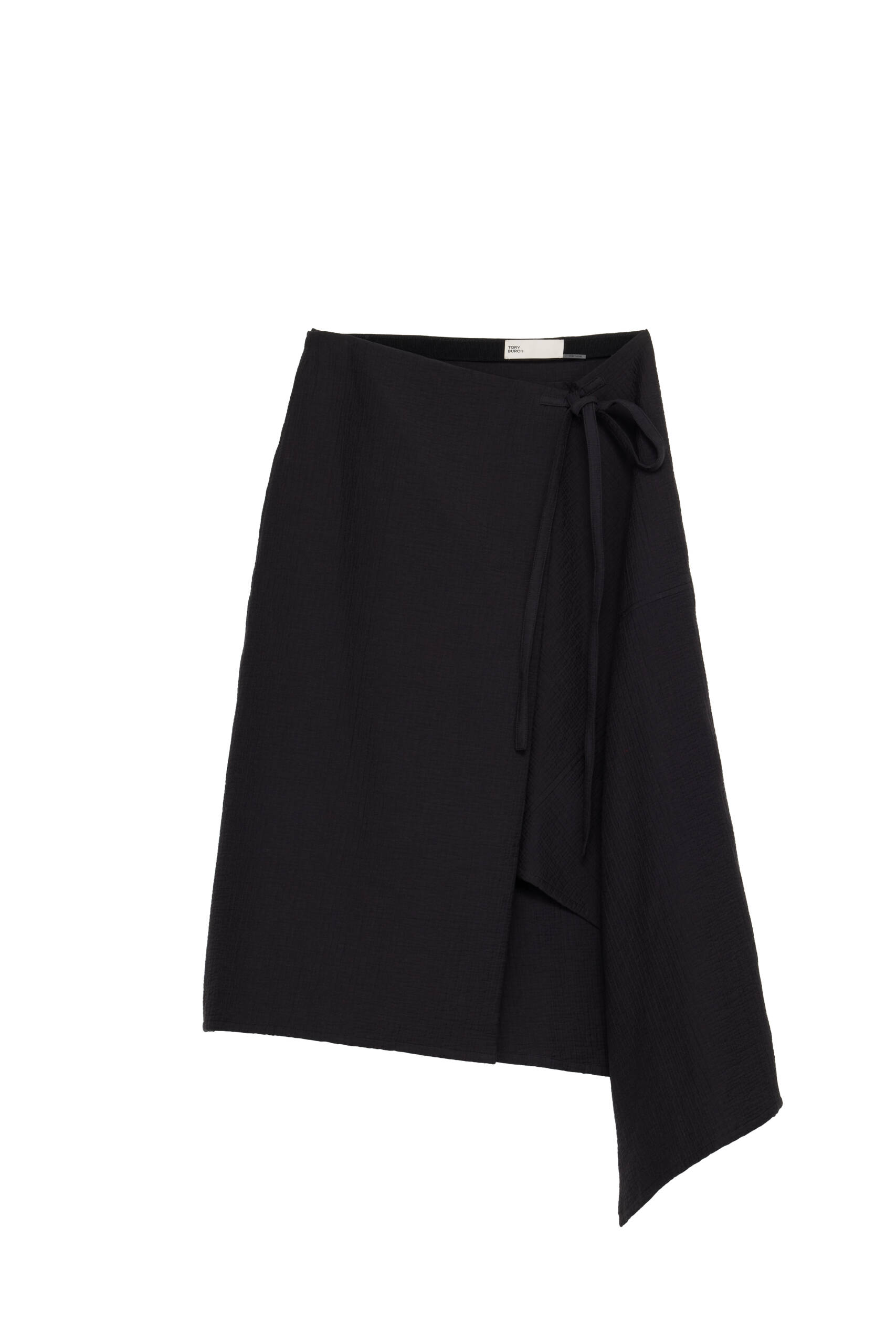
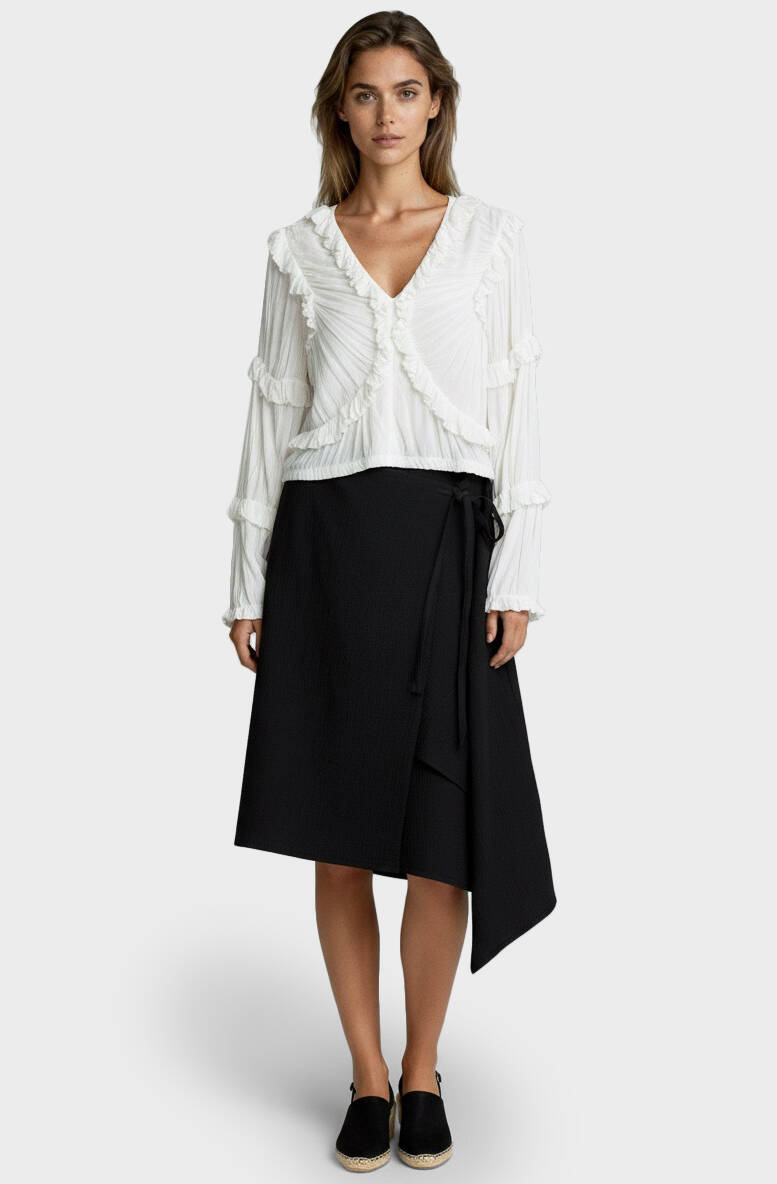
Improved Product Presentation and Conversion Rates
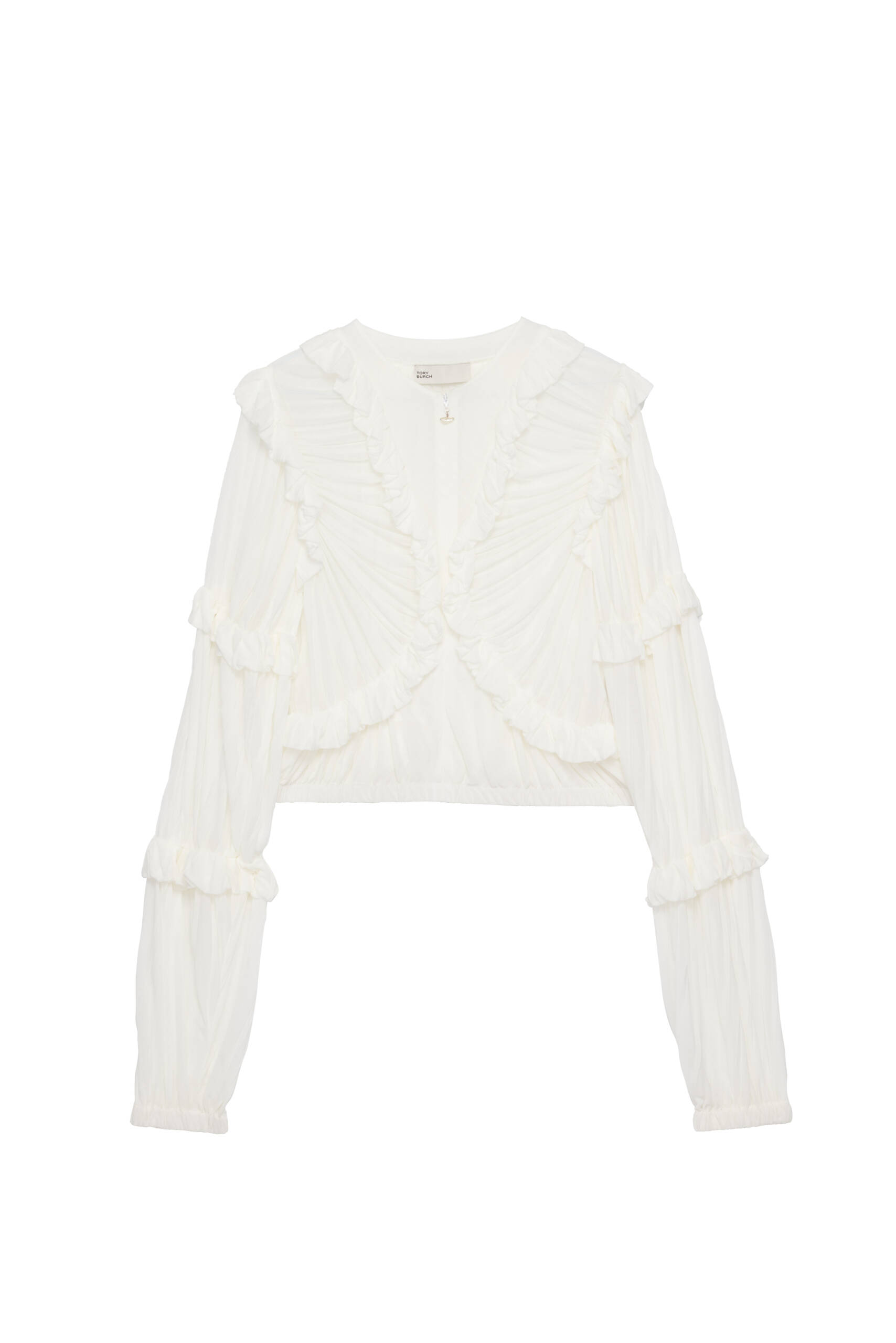
High-quality images directly impact customer decisions.
In 2026, AI-assisted retouching helps improve:
- Image clarity
- Color accuracy
- Product detailing
- Visual consistency
Better images lead to:
✔ Higher customer trust
✔ Improved product visibility
✔ Increased conversions
Professional-looking visuals play a major role in turning visitors into buyers.
AI Supports Multi-Platform Image Optimization
Modern e-commerce businesses sell across:
- Websites
- Marketplaces
- Social media platforms
Each platform requires different image sizes and formats.
AI automatically prepares:
- Platform-specific image dimensions
- Compression optimization
- File renaming
- Format adjustments
This saves time and ensures that images meet platform requirements.
Challenges of AI in Image Retouching
While AI brings many benefits, it also has limitations.
Some challenges include:
- Incorrect edge detection
- Loss of fine details
- Color inaccuracies
- Over-processing images
These issues highlight why human supervision remains essential.
Professional editors review AI outputs and correct any errors before final delivery.
The Future of AI Retouching Beyond 2026
Looking ahead, AI will continue evolving.
Future innovations may include:
- Real-time editing automation
- Smart product styling suggestions
- Predictive editing workflows
- AI-powered visual analytics
However, the demand for skilled human retouchers will remain strong.
The future of image editing lies in collaboration between technology and expertise.
Best Practices for Using AI in 2026
To get the best results from AI-based retouching, businesses should:
✔ Combine AI with human expertise
✔ Use AI for repetitive tasks
✔ Maintain quality control checks
✔ Optimize images for different platforms
✔ Continuously update workflows
Following these practices ensures consistent results and better productivity.
Conclusion
AI is transforming e-commerce image retouching in 2026 by making workflows faster, more efficient, and more scalable.
From batch editing to workflow automation, AI is helping businesses handle large product volumes with ease.
However, the true power of modern image retouching lies in combining AI technology with human expertise.
Brands that adopt this balanced approach will produce better visuals, improve customer engagement, and stay ahead in the competitive e-commerce landscape.
Get in touch today to upgrade your fashion visuals with AI-powered image solutions.
FAQs
AI image retouching uses automated tools to perform tasks like background removal, color correction, and resizing for product images.
No. AI can automate repetitive tasks, but manual retouching is still required for detailed adjustments and final finishing.
AI reduces editing time, improves consistency, and allows businesses to process large volumes of images quickly.
Yes. AI reduces manual workload and speeds up processing, which helps businesses save time and operational costs.