


In fashion ecommerce, visuals don’t just support sales — they drive them. Customers cannot touch fabrics, try garments, or feel the fit. Instead, they rely entirely on product images to make purchase decisions.
That’s why choosing between flat lay photography and ghost mannequin photography becomes a strategic decision, not just a creative one.
Both styles dominate online fashion catalogs. However, they serve different purposes, create different psychological effects, and influence buying behavior in unique ways.
So which works best for fashion ecommerce?
Let’s break it down.
What Is Flat Lay Photography?
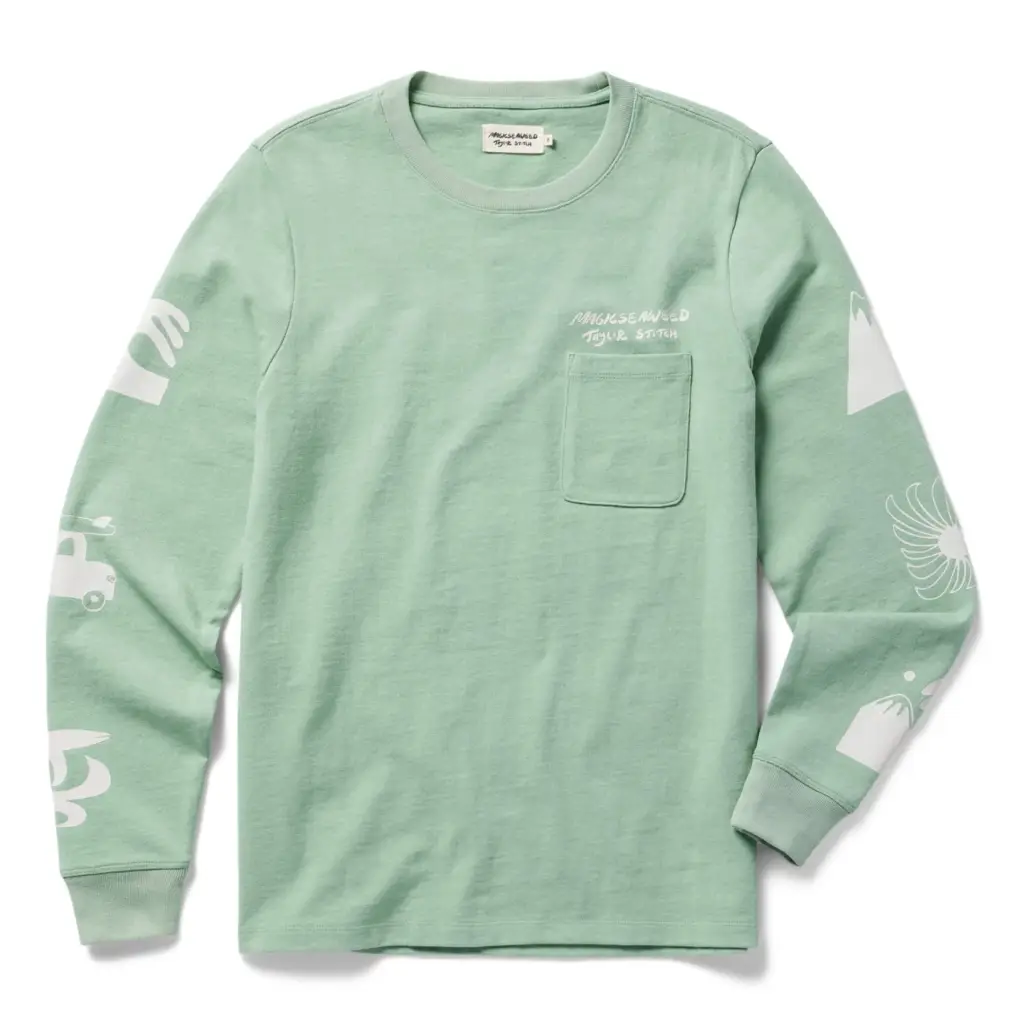
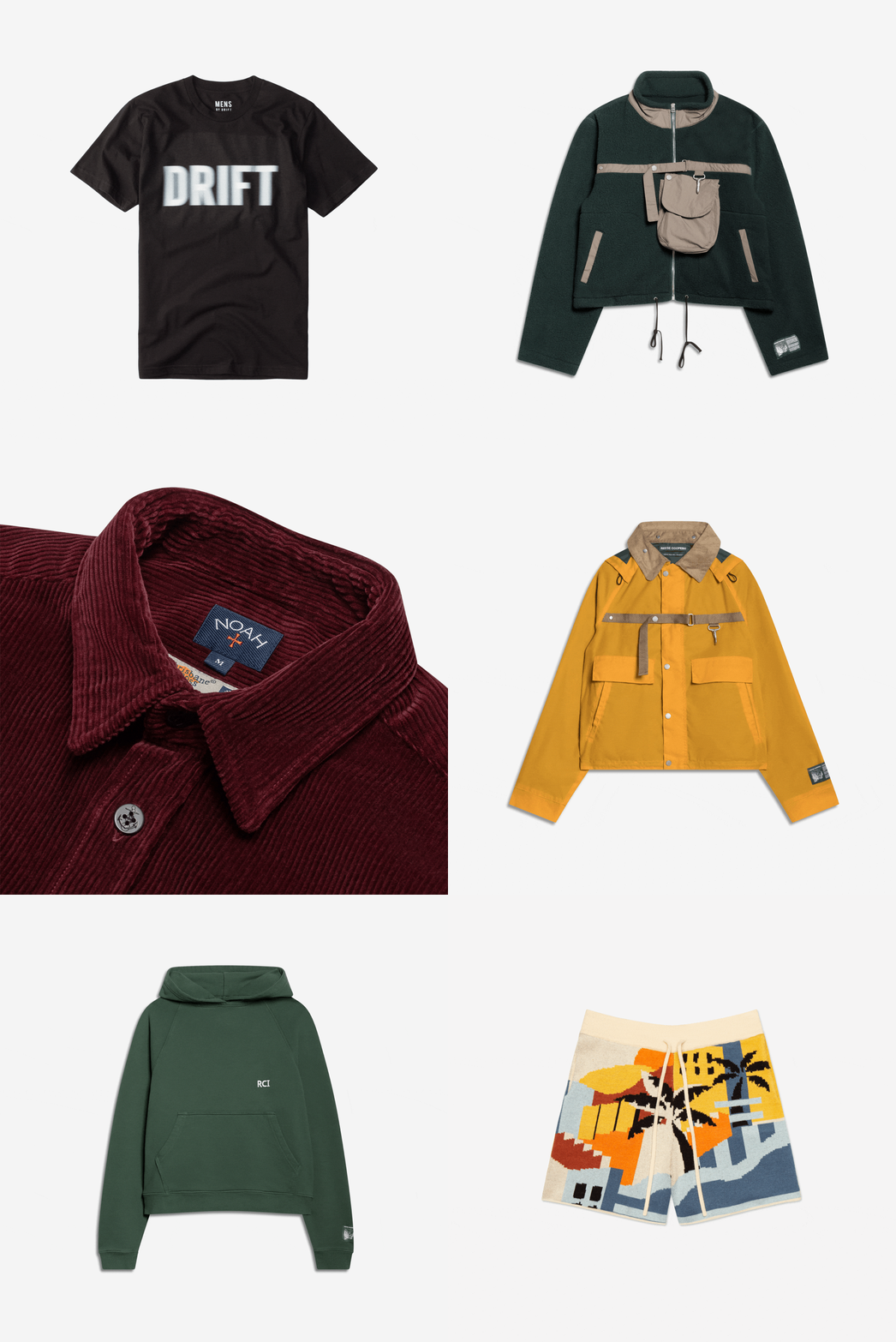
Flat lay photography presents clothing items arranged neatly on a flat surface and captured from above. This method emphasizes styling, symmetry, and visual creativity.
Why Brands Use Flat Lay
- Highlights overall design and silhouette
- Works well for social media and lifestyle branding
- Allows creative storytelling with props
- Cost-effective and fast to produce
Flat lay images feel modern and editorial. As a result, they often perform well on Instagram, Pinterest, and email campaigns.y, and higher product returns. In contrast, specialized retouching delivers industry-specific enhancements that protect brand integrity while improving buyer confidence.
Flat lay photography sells a mood as much as it sells a product.
However, flat lays do not show how garments naturally fall on a body. Therefore, they sometimes lack depth and structure.
What Is Ghost Mannequin Photography?
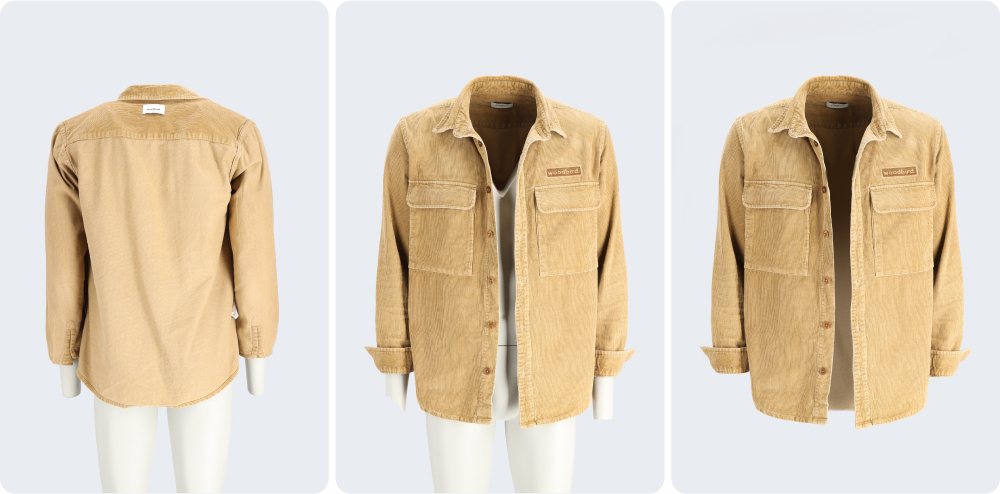
Ghost mannequin photography, also known as the invisible mannequin effect, removes the mannequin in post-production to create a 3D, wearable appearance.
Unlike flat lays, ghost mannequin images show:
- Natural drape
- Internal collar structure
- Sleeve shape and fit
- True garment dimension
Why Ecommerce Brands Prefer It
- Creates a realistic wearing experience
- Improves perceived product quality
- Maintains clean, distraction-free catalogs
- Enhances professional brand identity
Most major online fashion retailers use ghost mannequin photography for their main product display pages..
Ghost mannequin bridges the gap between product and person.
Flat Lay vs Ghost Mannequin: Direct Comparison
| Factor | Flat Lay | Ghost Mannequin |
|---|---|---|
| Visual Depth | Low | High |
| Shows Garment Structure | Limited | Strong |
| Production Cost | Lower | Moderate |
| Catalog Consistency | Medium | High |
| Conversion Impact | Good | Often Higher |
| Social Media Appeal | Excellent | Good |
Both styles work. However, the right choice depends on your brand positioning and sales goals.
Which Converts Better in Fashion Ecommerce?
When it comes to flat lay vs ghost mannequin for fashion ecommerce, conversion data often favors ghost mannequin images for product detail pages.
Why?
Because customers want clarity.
They want to understand:
- How the fabric falls
- How structured the garment looks
- Whether the collar stands properly
- How sleeves are shaped
Ghost mannequin photography answers these questions visually. Consequently, it reduces uncertainty and increases purchase confidence.
That said, flat lay photography still plays an important role — especially in marketing materials and curated collections.
When to Use Flat Lay Photography
Flat lay works best when:
- You want a creative campaign look
- You focus on storytelling
- Your brand leans toward minimal or aesthetic presentation
- You create social-first fashion content
For startups and boutique brands, flat lay can feel approachable and stylish without heavy production costs.
When to Use Ghost Mannequin Photography
Ghost mannequin works best when:
- You manage large ecommerce catalogs
- You need consistent product pages
- You sell structured garments (jackets, dresses, shirts)
- You prioritize conversion optimization
For scaling fashion brands, ghost mannequin editing provides professionalism and uniformity across hundreds of SKUs.
The Hybrid Strategy: Why Smart Brands Use Both
The best-performing fashion ecommerce brands rarely choose just one.
Instead, they combine both approaches:
- Ghost mannequin for primary product pages
- Flat lay for social media and marketing
- Lifestyle shoots for brand storytelling
This layered strategy supports awareness, engagement, and conversion at different stages of the customer journey.
“Use flat lay to attract. Use ghost mannequin to convert.”
Furniture photography faces unique technical challenges. Large products, complex textures, and ambient lighting inconsistencies often distort product perception.
The Business Impact of Choosing the Right Style
Making the correct photography choice influences:
1. Conversion Rates
Clearer presentation increases buying confidence.
2. Return Rates
Better structure visibility reduces size misunderstandings.
3. Brand Perception
Professional imagery builds authority.
4. Catalog Scalability
Consistent editing speeds up product launches.
Ultimately, fashion ecommerce is visual commerce. Therefore, the style you choose directly affects revenue performance.
Final Thoughts: Which Works Best?
If your goal is strong product clarity and higher conversions, ghost mannequin usually wins.
If your goal is creative storytelling and social engagement, flat lay performs beautifully.
However, the real competitive advantage lies in strategic combination.
Fashion brands that align photography style with customer expectations don’t just showcase clothing — they create confidence.
And in ecommerce, confidence converts.

