

For years, the online shopping journey followed a familiar pattern.
A customer searched for a product on Google, visited an eCommerce website, browsed product pages, compared prices, and made a purchase.
That journey is changing.
Today, shoppers can use AI-powered tools to discover products, ask questions, compare options, and receive recommendations without following the traditional search process.
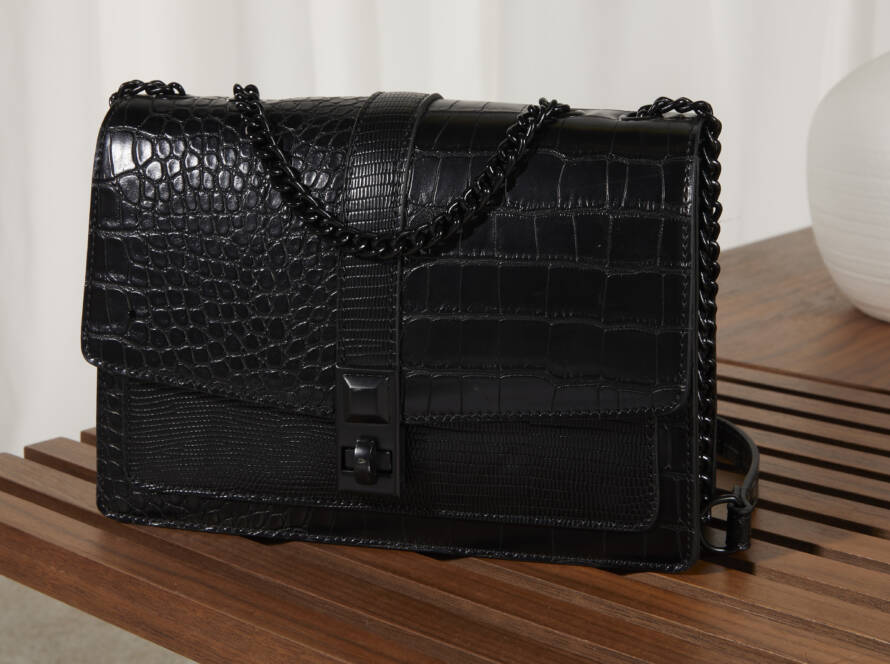
Instead of searching for a black leather handbag and browsing dozens of websites, a customer might ask an AI assistant to find a handbag suitable for everyday use, compare its features, and suggest alternatives.
This creates a new challenge for eCommerce brands.
Their products need to be presented clearly, not only on their own websites but also across the wider digital shopping journey.
And while product titles, descriptions, attributes, and structured data help systems understand what a product is, images help customers understand what that product actually looks like.
So, is your product imagery ready for this new way of shopping?

1. AI Is Changing How Customers Discover Products
Traditional search often depends on keywords.
Customers enter a product name, browse search results, and select the websites they want to explore.
AI-powered discovery introduces a more conversational approach.
Customers can describe what they need, explain their preferences, and ask for recommendations based on different requirements.
For example:
Find a lightweight jacket for rainy weather.
Show me handbags that match a minimalist style.
Compare these two pairs of sneakers.
Find a dining table suitable for a small apartment.
This means product discovery is becoming more contextual.
For eCommerce brands, simply having products online may not be enough. Product information needs to be clear, complete, and consistent across the catalog.
Images are an important part of that presentation.
2. Product Images Still Matter in an AI-Powered Shopping Journey
AI can help customers discover and compare products, but the final buying decision still involves evaluating what the product looks like.
Consider a customer exploring two similar jackets.
Both may have similar descriptions, prices, and features. But the images can reveal important differences:
Fabric texture
Stitching and construction
Fit and proportions
Colour and finish
Pockets, buttons, and other details
How the jacket looks when worn
These visual details help customers understand the product beyond its written description.
For fashion, jewellery, footwear, furniture, and beauty products, clear imagery can make a significant difference to the shopping experience.
AI may help customers find the right product. Accurate product images help them decide whether it is actually right for them.
3. Why Image Accuracy Is Becoming More Important
As shopping becomes more dependent on digital recommendations and comparisons, product accuracy deserves greater attention.
An image might look attractive but still fail to communicate the actual product correctly.
For example:
A shirt’s original colour may look different after excessive editing.
Fabric texture may disappear because of over-smoothing.
Footwear proportions may appear distorted.
Jewellery details may become unclear.
Background treatments may make the product difficult to distinguish.
These issues can affect customer expectations.
If the image creates an impression that the delivered product cannot match, customers may become disappointed.
This is why brands should treat image editing as more than a visual enhancement process.
The objective should be to make products look their best while preserving their actual characteristics.
4. A Complete Product Image Is More Useful Than a Single Hero Shot
A single attractive photograph may capture attention, but customers often need more information before purchasing.
Think about a customer buying a pair of shoes.
A front-facing image may look excellent, but it doesn’t show the sole, side profile, heel construction, or material texture.
A stronger product gallery includes different views that answer these questions.
For example:
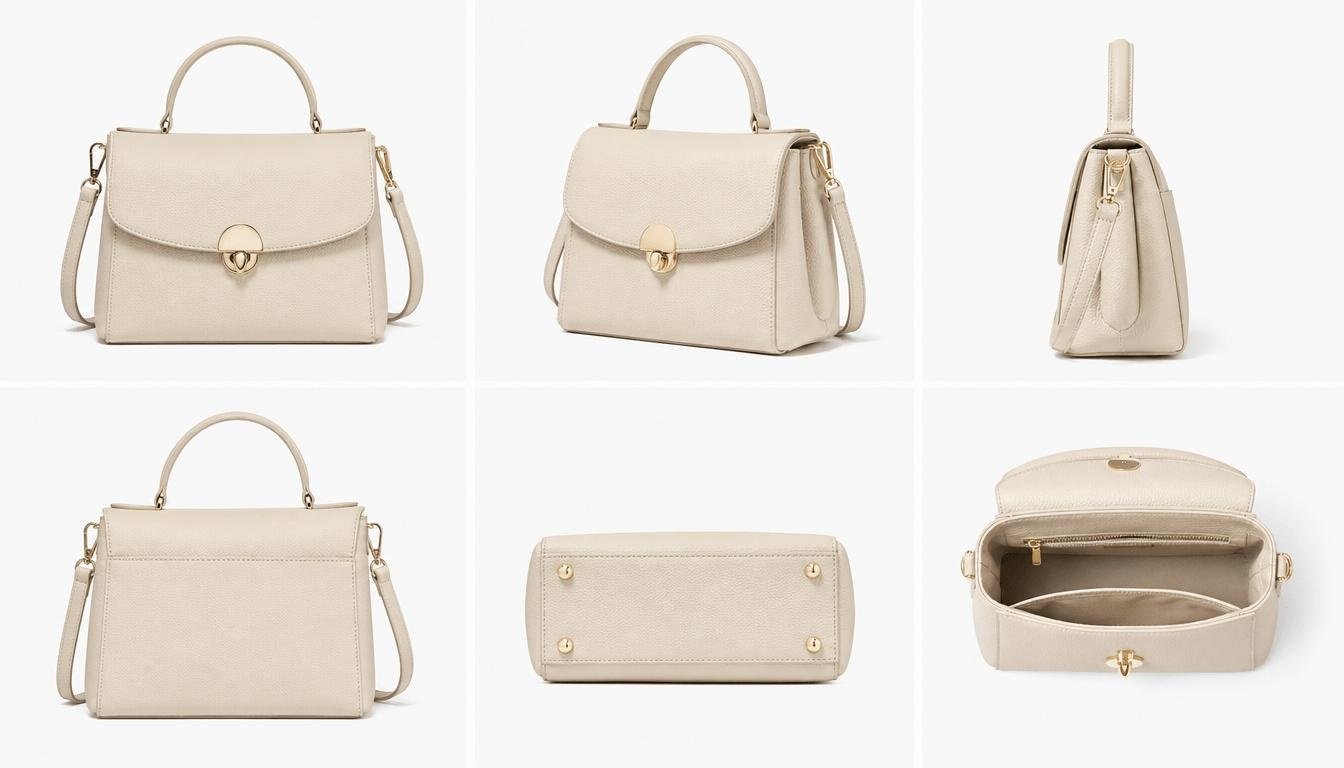
Main product image: Clearly presents the product.
Side and back views: Show shape and construction.
Close-up images: Highlight material, texture, and important details.
On-model or lifestyle images: Demonstrate fit, proportions, and real-world appearance.
Detail images: Show features customers may want to examine before purchasing.
For eCommerce brands, this means planning product imagery around customer questions rather than simply meeting a minimum image requirement.
5. Consistent Catalog Images Help Create a Better Shopping Experience
As product catalogs expand, maintaining consistent image quality becomes more challenging.
Different photography sessions, lighting conditions, backgrounds, and editing styles can create variations across the same catalog.
These inconsistencies may make a website feel less professional and make product comparisons harder.
Brands should establish clear standards for:
Background appearance
Product positioning
Image dimensions
Cropping and alignment
Colour accuracy
Lighting and shadows
Retouching requirements
File formats and naming conventions
Consistency also matters when product images are distributed across websites, marketplaces, advertising platforms, and other shopping channels.
A well-organized image catalog makes it easier to maintain a recognizable product presentation wherever customers discover the brand.
The shift is already measurable. A 2026 NielsenIQ report found that nearly 75% of shoppers use AI during product discovery.
At the same time, visual search is gaining attention: Algolia’s 2026 eCommerce research found that 91% of surveyed consumers considered image search highly or somewhat valuable.
This makes product imagery an important part of preparing for the next shopping journey.
6. Make Your Product Catalog Easier to Understand
Good images alone are not enough to make a product discoverable through AI-powered shopping.
AI shopping tools also rely on accurate product information, including titles, descriptions, categories, specifications, colours, sizes, and availability.
Your visual content and product data should tell the same story.
For example, if a product listing describes a navy-blue cotton shirt, the images should clearly show that same colour and product. If the listing offers multiple variants, each variant should have the correct corresponding images.
Brands should pay attention to:
Accurate product titles: Clearly identify what the product is.
Detailed descriptions: Explain material, features, fit, and intended use.
Correct product attributes: Keep colour, size, dimensions, and specifications updated.
Variant-specific imagery: Match each image to the correct product option.
Consistent product information: Avoid differences between website listings and marketplace feeds.
High-quality image assets: Use clear, properly sized images that show the product accurately.
Remember, images do not replace structured product data. Both need to work together.
Adobe’s 2026 discussion of AI-ready product discovery also highlights the importance of making richer, structured catalog information available to AI-powered shopping experiences.
7. Build an Image Workflow That Supports Every Shopping Channel
A product image rarely stays on one platform.
The same product may appear on an eCommerce website, a marketplace, social media, an advertising campaign, and an AI-powered shopping experience.
Each channel may have different image requirements.
Without a structured workflow, brands can end up with inconsistent crops, outdated product images, incorrect variants, and different editing standards.
A better workflow should connect:
Photography → Image Editing → Quality Control → Catalog Management → Channel Delivery
This makes it easier to maintain a consistent visual standard as the product catalog grows.
It also helps teams identify outdated images, manage product variations, and prepare assets for different publishing requirements.
For brands processing hundreds or thousands of images, this is particularly important.
8. What Should eCommerce Brands Do Now?
Preparing for AI-powered shopping doesn’t mean rebuilding your entire eCommerce operation.
Start by reviewing the quality and organization of your existing product catalog.
Here are five practical steps:
Audit your product images: Identify unclear, outdated, inconsistent, or inaccurate photographs.
Improve image coverage: Add useful product angles, close-ups, and lifestyle images where needed.
Check product accuracy: Ensure colours, textures, shapes, and variants match the actual products.
Review product information: Keep titles, descriptions, specifications, and attributes complete and consistent.
Standardize image editing: Establish clear guidelines for backgrounds, cropping, retouching, and quality checks.
These improvements can strengthen the shopping experience across traditional search, marketplaces, and emerging AI-powered discovery channels.
How MubyTech Helps Brands Prepare Their Product Imagery
At MubyTech, we understand that product imagery needs to do more than look attractive. It needs to communicate product details clearly, maintain consistency, and support growing eCommerce requirements.
Our image post-production services help brands manage their visual content through:
Professional Product Retouching: Improve image quality while preserving original product details.
Background Removal: Create clean, consistent product images for online catalogs.
Colour Correction: Maintain accurate product colours across image collections.
Custom Shadows and Reflections: Improve product presentation with realistic finishing.
Fashion and Model Retouching: Refine on-model and still-life product photography.
Catalog Image Management: Support consistent image processing across large product collections.
AI-Assisted Image Editing: Use intelligent editing capabilities alongside professional review and quality checks.
With 100+ professional image editors and experience processing more than 30 million images, MubyTech supports eCommerce brands that need reliable, scalable post-production.
Our focus is simple: help brands create product images that are accurate, consistent, and ready for today’s shopping channels.
Final Thoughts: The Shopping Journey Is Changing. Are Your Images Ready?
AI-powered shopping is changing how customers discover, compare, and evaluate products.
But the fundamentals of a good product presentation remain important.
Customers still want to see accurate colours, understand product details, compare options, and feel confident about what they are buying.
For eCommerce brands, this means preparing more than just product descriptions and search-friendly content.
It means building a visual catalog that supports the entire shopping journey.
The brands that prepare now will be better positioned to adapt as AI-powered discovery continues to evolve.
Help customers discover your products, build trust through accurate imagery, and create a stronger shopping experience.
FAQs
AI-powered product discovery uses artificial intelligence to help shoppers find products through conversational searches, personalized recommendations, image searches, and product comparisons.
Product images help customers visually evaluate products. They can also support visual discovery and help shoppers compare product appearance, colours, shapes, and details.
INo. Traditional SEO, product descriptions, structured product data, and marketplace optimization remain important. AI-powered discovery adds another way for customers to find products.
Clear product photography, accurate colours, sufficient product angles, consistent image presentation, and correct variant images help create a more reliable product catalog. Requirements can vary across platforms.