How to Deliver eCommerce Content Faster with a Photo Editing Service

In eCommerce, speed is essential. Online retailers regularly launch new products, update seasonal collections, and create images for websites, marketplaces, social media, and advertising campaigns. However, editing product photos can become a major bottleneck when every image must be processed manually.

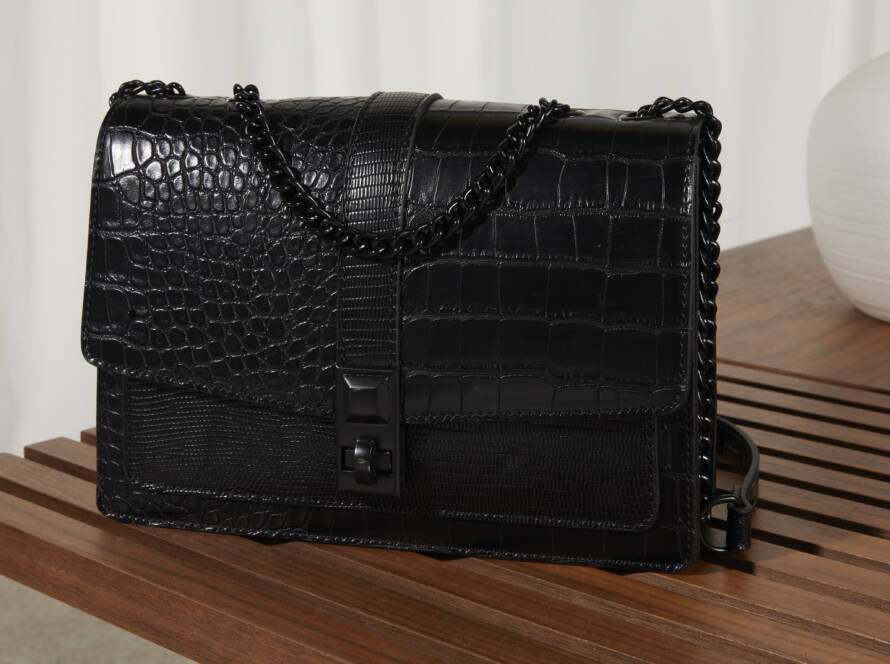
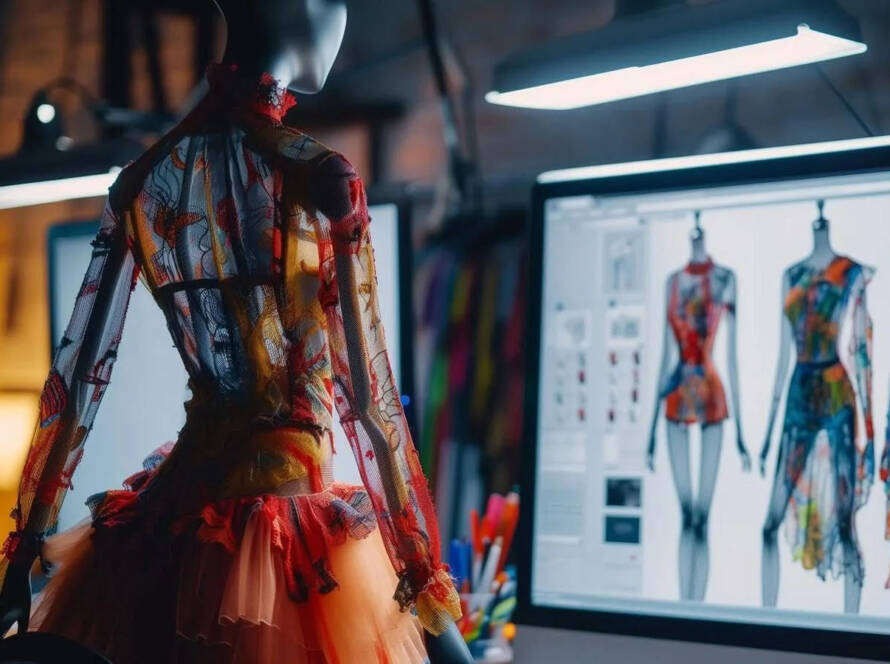
A professional eCommerce photo editing service helps businesses complete this work faster and more efficiently. Background removal, clipping paths, color correction, retouching, shadow creation, image resizing, and ghost mannequin editing can all be handled by experienced professionals.

Outsourcing photo editing allows your internal team to focus on product descriptions, SEO, marketing, and customer engagement while specialists prepare polished images for publication.

Why Faster Content Delivery Matters

Customers cannot physically inspect products when shopping online. Product images must therefore show the item clearly and professionally. If new images are delayed, products may remain unpublished and marketing campaigns may miss their launch dates.

Slow image production can lead to:

  • Delayed product launches.

  • Missed seasonal sales opportunities.

  • Incomplete product listings.

  • Delayed email and social media campaigns.

  • Extra pressure on internal teams.

  • Lower productivity during busy periods.

Outsourcing can reduce the time between photography and product publication, helping businesses place products online sooner.
How a Photo Editing Service Speeds Up Production

1. Processes images in bulk

Professional editing companies are equipped to handle large image volumes. Instead of editing products individually, they can process complete batches using consistent instructions and workflows.

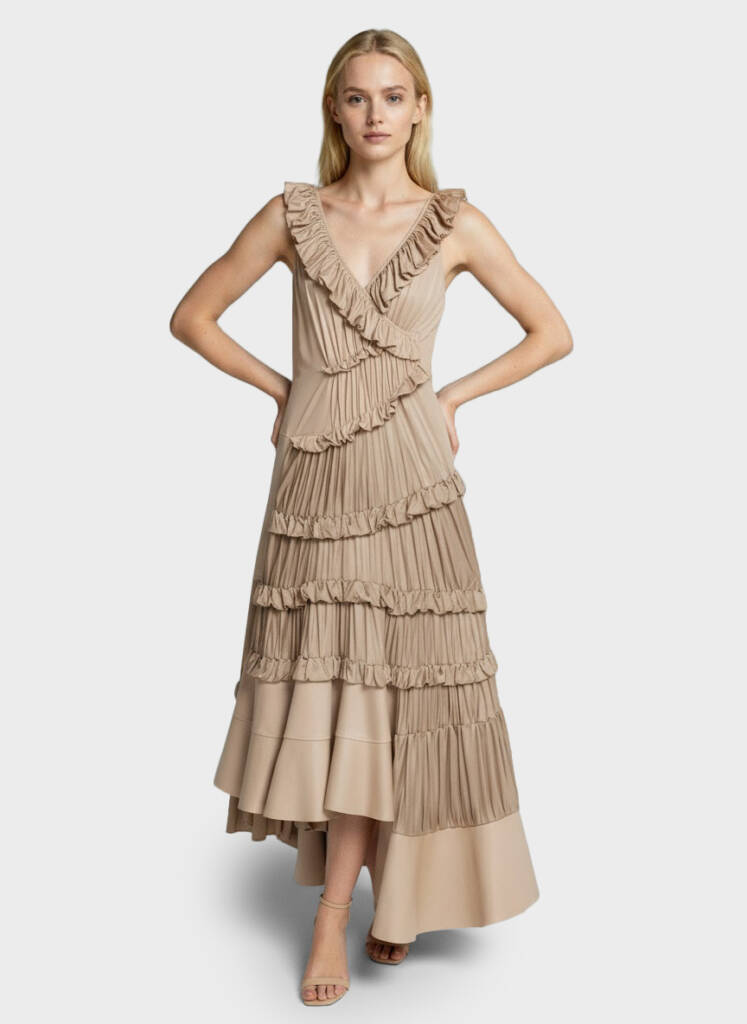
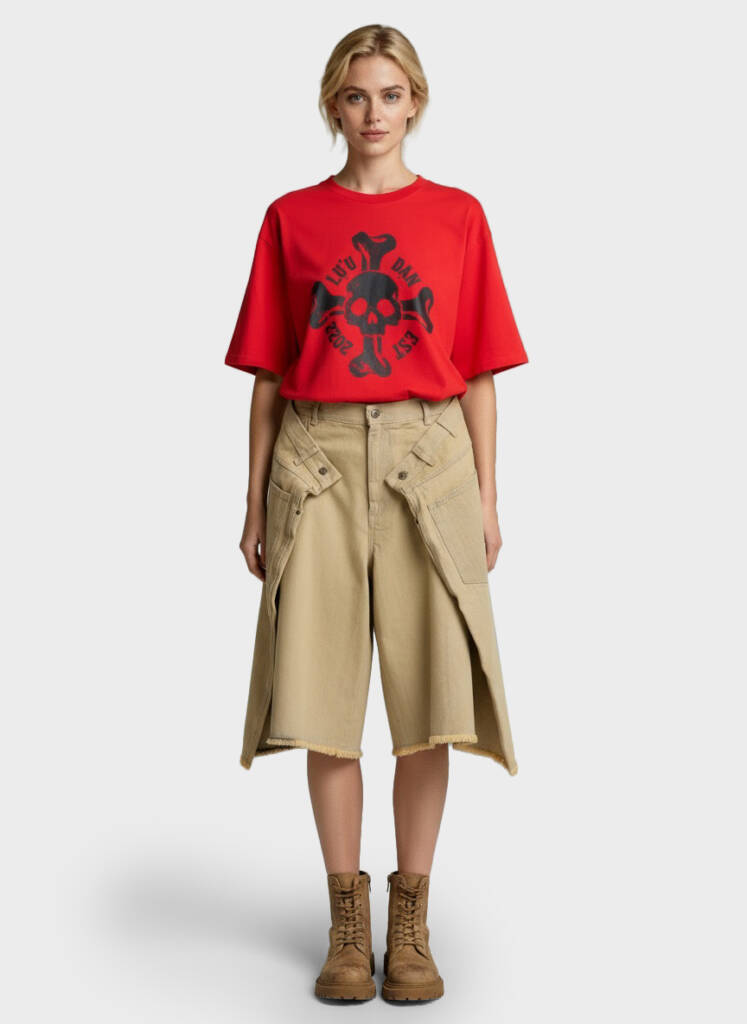
For example, a fashion retailer launching 300 new products may need white-background images, color correction, wrinkle removal, and ghost mannequin editing. A specialized team can handle these requirements across the entire collection without placing additional pressure on the retailer’s internal staff.

2. Reduces repetitive tasks

Many product images require similar adjustments, including:

  • Removing backgrounds.

  • Cropping and resizing.

  • Correcting brightness and contrast.

  • Removing dust and scratches.

  • Adding natural shadows.

  • Adjusting colors.

  • Preparing files for different platforms.

These tasks may take several hours when completed internally. Outsourcing allows your team to spend more time on creative and strategic work.

3. Provides specialist editing skills

Different products require different editing techniques. Jewelry may require detailed masking and reflection correction, while apparel may need mannequin removal and wrinkle retouching. Furniture, cosmetics, electronics, and food products also have unique presentation requirements.

Professional editors understand how to preserve:

  • Product edges.

  • Textures and materials.

  • Logos and packaging.

  • Accurate colors.

  • Fine details.

  • Natural proportions.

This expertise helps reduce errors and the need for repeated revisions.

4. Maintains image consistency

A consistent visual style makes an online store look professional. Customers should see similar backgrounds, framing, color balance, shadows, and image dimensions across product pages.

A photo editing service can follow your brand guidelines for every batch. This creates a more uniform catalog and reduces the time required to correct inconsistent images later.

5. Reduces revision time

Incomplete instructions and inconsistent editing often lead to multiple revisions. A professional service can use a clear editing brief, reference images, and sample approvals to understand your expectations before processing the full order.

A sample workflow may include:

  1. Uploading a small group of images.

  2. Reviewing the edited samples.

  3. Confirming the required editing style.

  4. Processing the complete batch.

  5. Completing final quality checks.

  6. Delivering the approved files.

This approach helps prevent large-scale corrections.

High-end photo retouching doesn’t change the product — it elevates how customers perceive it.
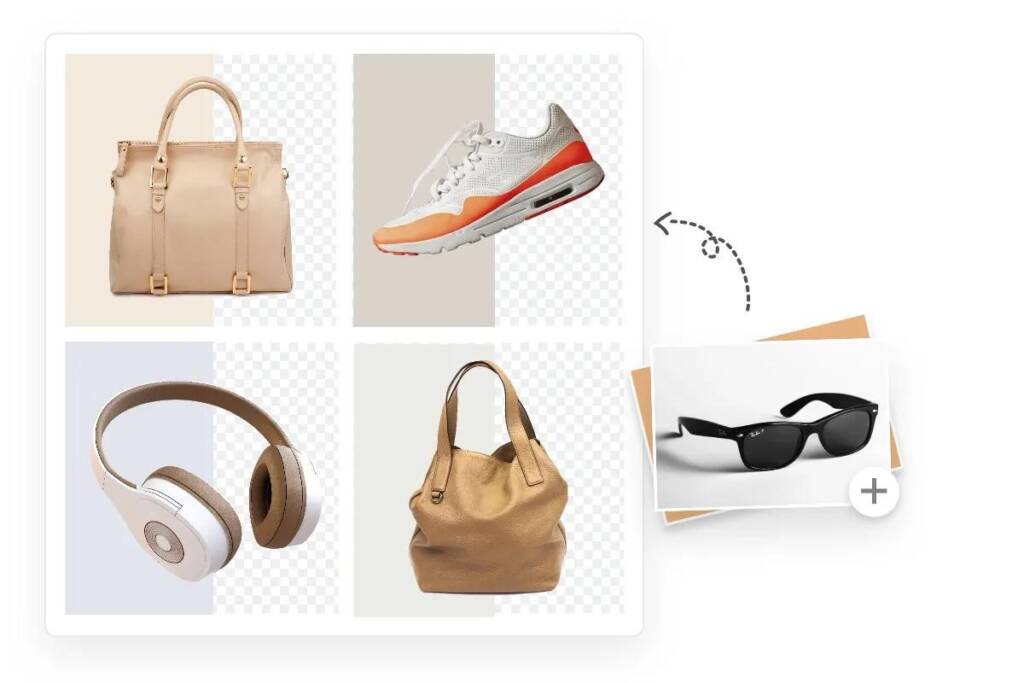
Photo Editing Tasks You Can Outsource

ServicePurpose
Background removalCreates clean images for websites and marketplaces.
Clipping pathProduces accurate outlines around products.
Color correctionKeeps product colors clear and consistent.
Product retouchingRemoves dust, scratches, marks, and distractions.
Ghost mannequin editingCreates professional apparel images without visible mannequins.
Shadow creationAdds depth and makes products look naturally placed.
Reflection removalImproves the appearance of glass, metal, and glossy products.
Image resizingPrepares images for websites, mobile screens, and advertisements.
Background replacementCreates lifestyle or campaign-focused product visuals.

Using one service provider for several editing requirements can simplify communication and reduce production delays.


How to Build a Faster Workflow

Create a detailed editing brief

Include all important requirements, such as:

  • Background color.

  • Image dimensions.

  • Product position.

  • Shadow style.

  • Retouching level.

  • File format.

  • Naming structure.

  • Delivery deadline.

Clear instructions reduce questions and help editors begin work immediately.

Organize files properly

Use SKU numbers, product names, or style codes when naming files. Arrange images in folders according to product category or collection. Good file organization makes it easier to track orders and avoid missing images.

Provide visual references

Reference images help editors understand the expected result. Show examples of approved backgrounds, shadows, color correction, and retouching. Visual instructions are often more effective than written descriptions alone.

Separate urgent and regular orders

Mark images needed for product launches, sales campaigns, or seasonal promotions as high priority. This allows the editing team to organize production according to your business deadlines.

Approve a sample batch

Before submitting hundreds of images, request a small test batch. Check the editing quality, colors, file names, cropping, and overall style. Once the sample is approved, the remaining images can be processed with fewer corrections.

Choosing the Right Photo Editing Service

Speed is important, but it should not reduce image quality. Before choosing a provider, evaluate the following factors:

Turnaround time

Ask how long the provider needs for regular orders, bulk projects, and urgent requests. Delivery time depends on image volume and editing complexity, so request a realistic estimate rather than relying only on general promises.

Portfolio quality

Review examples from your product category. Check whether the provider can handle complex edges, transparent objects, reflective surfaces, fabrics, packaging, and fine details.

Scalability

Your editing requirements may increase during product launches and festive seasons. Choose a provider that can handle both small batches and high-volume catalogs.

Quality control

Ask whether every image is reviewed before delivery. A workflow that combines editing automation with human quality checks can improve speed while protecting accuracy.

Communication and revisions

Confirm how you will submit instructions, receive updates, request revisions, and approve final images. A clear communication process prevents unnecessary delays.

File security

Product images may include unreleased collections or confidential campaign assets. Ensure that the provider uses secure file transfer and storage practices.

Example of a Faster Workflow

Consider an online clothing store preparing a new seasonal collection. The retailer has photographed 500 products but needs the images edited before the launch.

The internal team sends the files to a professional photo editing service along with:

  • A product list.

  • Editing instructions.

  • Approved sample images.

  • Required image dimensions.

  • File naming guidelines.

  • The launch deadline.

The editing team removes backgrounds, creates ghost mannequin images, corrects colors, removes wrinkles, and exports the images in the required formats. After quality control, the completed files are returned in organized folders.

While the editors handle post-production, the retailer’s marketing team can prepare product descriptions, email campaigns, paid advertisements, and social media content. This allows the collection to go live without delaying other marketing activities.

Best Practices for Maintaining Speed and Quality

  • Use consistent photography equipment and lighting.

  • Capture products against clean, uncluttered backgrounds.

  • Submit complete batches instead of scattered files.

  • Maintain one central editing guide.

  • Use approved reference images for recurring projects.

  • Avoid unnecessary retouching that makes products look unrealistic.

  • Track turnaround time and revision rates.

  • Review a small batch before approving a large project.

  • Use platform-specific export settings for your website and marketplaces.

Optimized images can also improve the shopping experience. Correct dimensions, suitable file formats, and compressed image files can help product pages load more efficiently across devices.

Conclusion

A professional eCommerce photo editing service helps retailers deliver content faster by reducing repetitive work, supporting bulk image processing, and maintaining consistent image quality. It can shorten the time between a photoshoot and product publication while reducing the workload for internal teams.

The best results come from combining clear instructions, organized files, consistent photography, sample approvals, and quality control. With a reliable editing workflow, eCommerce businesses can launch products on time, prepare campaigns faster, and focus more on growing their online store.

FAQs

What is an eCommerce photo editing service?

An eCommerce photo editing service prepares product images for online stores, marketplaces, websites, social media, and advertisements. Common services include background removal, retouching, color correction, resizing, clipping paths, and shadow creation.

How can photo editing services speed up eCommerce content delivery?

Professional editors process product images in bulk and handle repetitive post-production tasks. This helps businesses reduce internal workloads, minimize delays, and publish product listings faster.

What types of product images can be edited?

Photo editing services can handle images of apparel, jewelry, furniture, cosmetics, electronics, footwear, food products, accessories, and many other retail products.

Can I outsource bulk product image editing?

Yes. Professional editing companies can process large batches of product images according to your brand guidelines, product categories, and marketplace requirements.

By MubyTech
Global Image Editing Partner