


E-commerce customers don’t experience a product the way they would in a physical store.
They can’t pick it up, try it on, examine the material, or see how it looks in a real environment.
Instead, they rely on the information presented on the screen.
That makes product imagery extremely important.
But imagery also needs to remain relevant and timely.
A winter product presented with outdated summer visuals can feel disconnected. A holiday collection using last season’s imagery may not create the right sense of urgency. And when product visuals don’t accurately communicate color, fit, texture, or details, customers may develop expectations that the actual product doesn’t meet.
This is why seasonal visual updates should be treated as part of an eCommerce content strategy—not simply a design refresh.
Why Timely Product Imagery Matters
Imagine visiting an online fashion store during a winter campaign.
The website promotes a winter collection, but the product pages still show imagery created for a summer campaign.
The products may be exactly the same, but the presentation feels disconnected.
Now imagine the same products presented with:
- Seasonal styling
- Relevant backgrounds
- Consistent lighting
- Updated campaign imagery
- Accurate product details
The experience feels more relevant.
Seasonal imagery can help customers understand why the product fits the current moment.
That relevance can be particularly useful during major shopping periods.
1. Why Seasonal Imagery Matters
Customers respond to context.
The same product can communicate something completely different depending on how it is presented.
For example:
Summer:
Bright, lightweight, outdoor-focused imagery.
Winter:
Layered styling, warmer environments, seasonal tones.
Holiday:
Gift-focused and festive presentation.
Back-to-school:
Everyday lifestyle and practical use.
The product hasn’t changed.
But the context around it has.
Timely imagery helps customers understand why a product is relevant right now.
2. Fresh Visuals Can Make Products Feel More Relevant
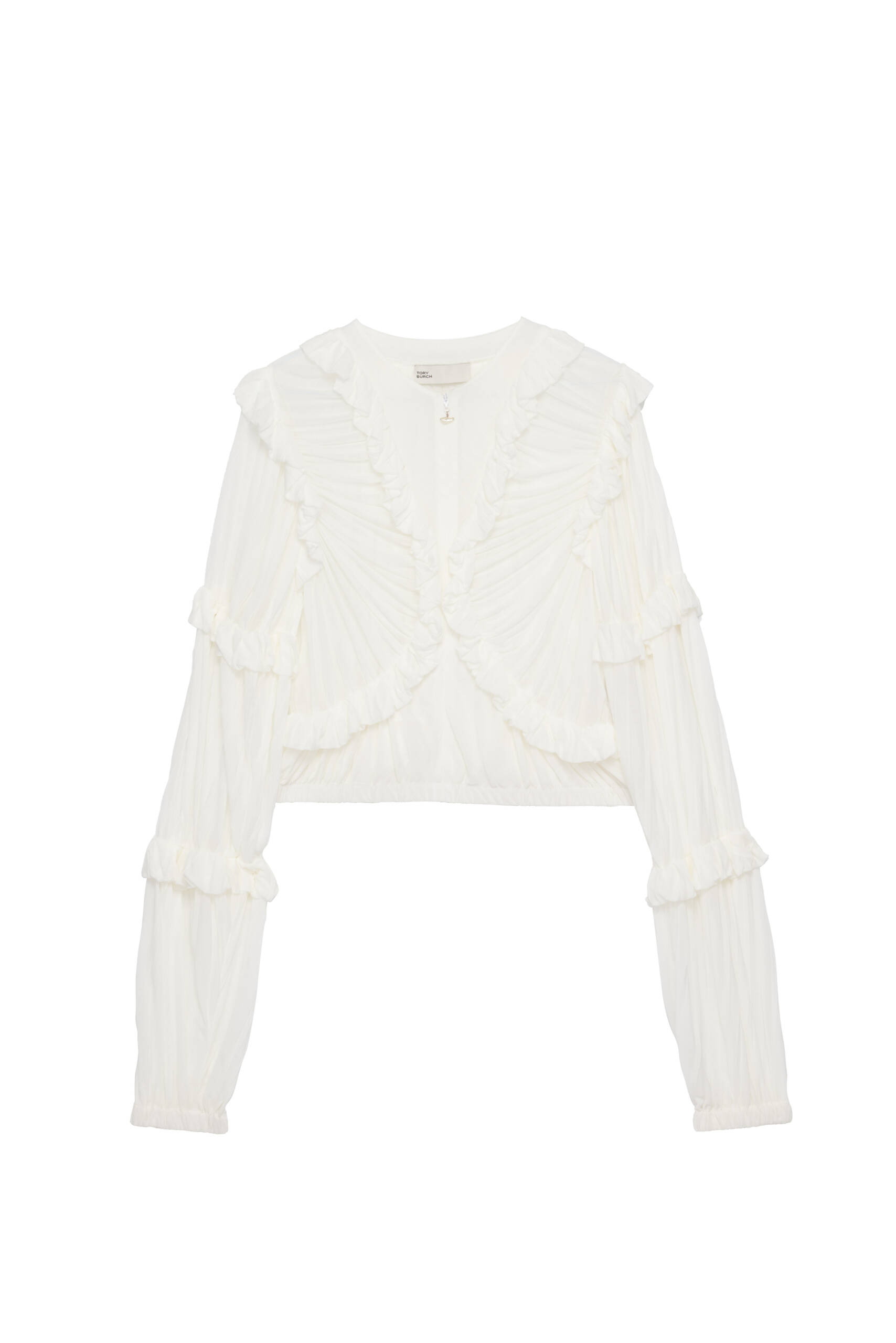
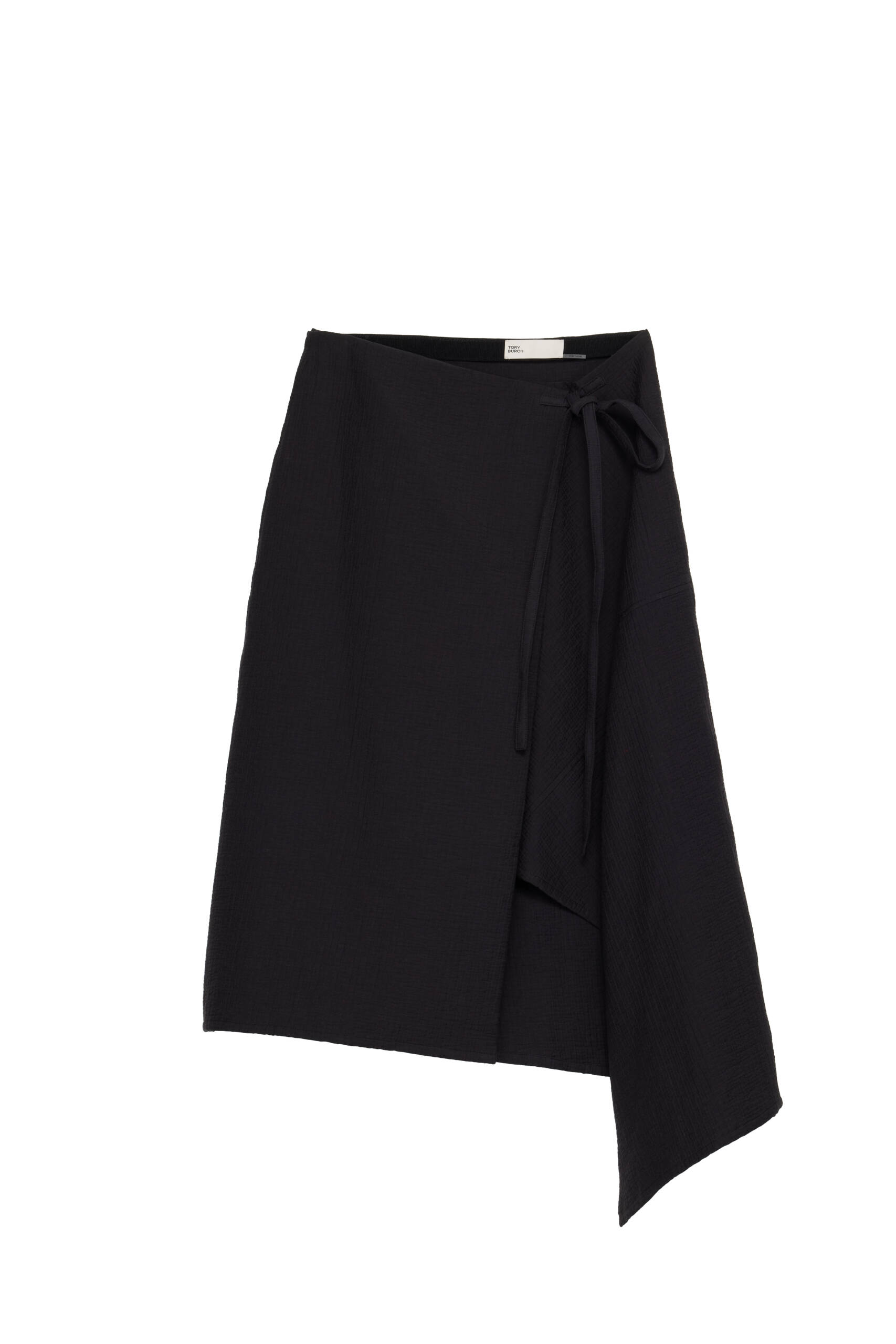
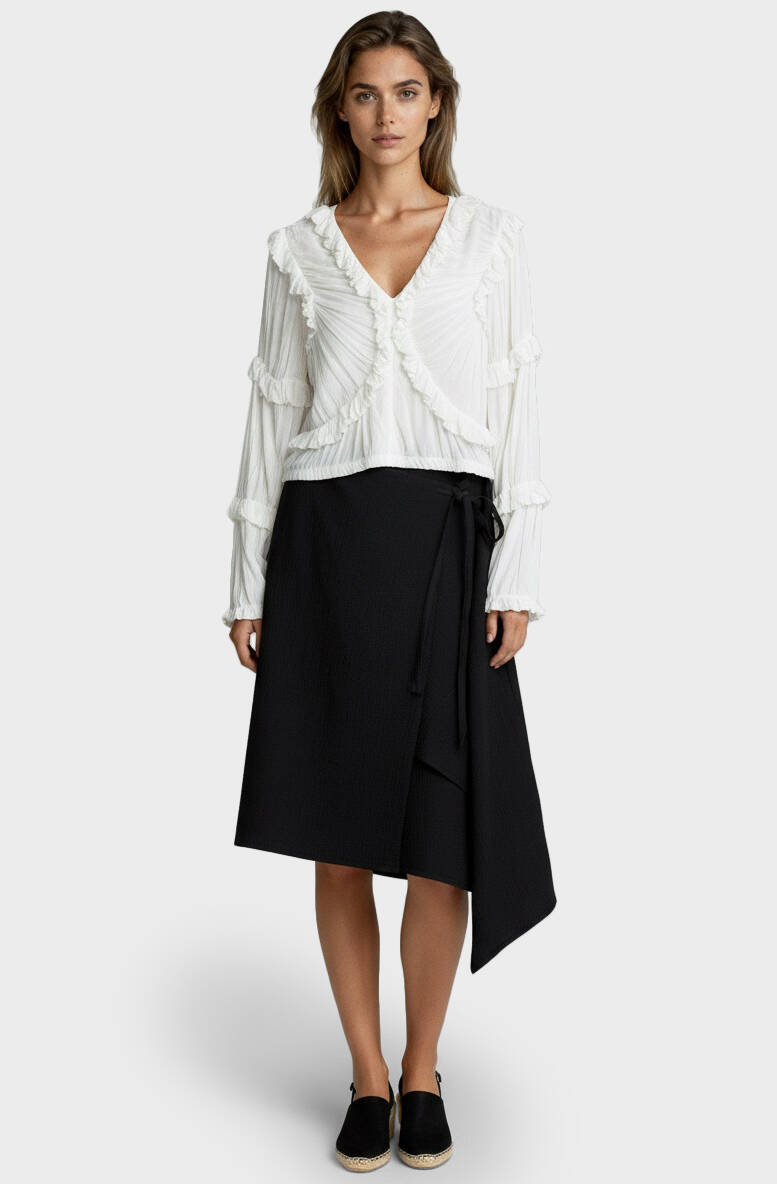
Imagine visiting an eCommerce store during the holiday season and seeing banners, collections, and product imagery that still look like they belong to the previous season.
The products may be excellent, but the shopping experience feels outdated.
Seasonal updates can refresh:
- Homepage banners
- Category pages
- Product imagery
- Campaign graphics
- Email visuals
- Social media assets
- Promotional content
This helps create a more connected customer journey.
And when customers immediately understand the context of a product, they have less work to do before deciding whether it is relevant to them.
3. Better Product Presentation Can Build Purchase Confidence
Conversions aren’t only about getting attention.
Customers also need confidence.
Product imagery should answer questions such as:
- What does the product really look like?
- What color is it?
- What does the material look like?
- How does it fit?
- What are the important details?
- How does it work in a real setting?
Seasonal lifestyle imagery can help provide context, while clean product images can provide clarity.
The combination gives customers both:
Inspiration + Information
4. How Better Imagery Can Help Reduce Returns
Returns can happen for many reasons, and imagery is only one factor.
However, inaccurate or misleading visual presentation can contribute to a mismatch between customer expectations and the actual product.
For example:
A customer sees a garment online that appears significantly lighter than the actual color.
Or a product’s shape and proportions are difficult to understand from the available images.
Or the material looks completely different because of excessive editing.
When the delivered product doesn’t match the customer’s expectations, dissatisfaction can follow.
That is why seasonal updates should never mean simply making images more attractive.
They should remain accurate.
5. Seasonal Retouching Can Extend Existing Assets
Not every seasonal campaign requires a completely new photoshoot.
Brands may already have high-quality product photography that can be adapted through professional post-production.
Depending on the image, this could include:
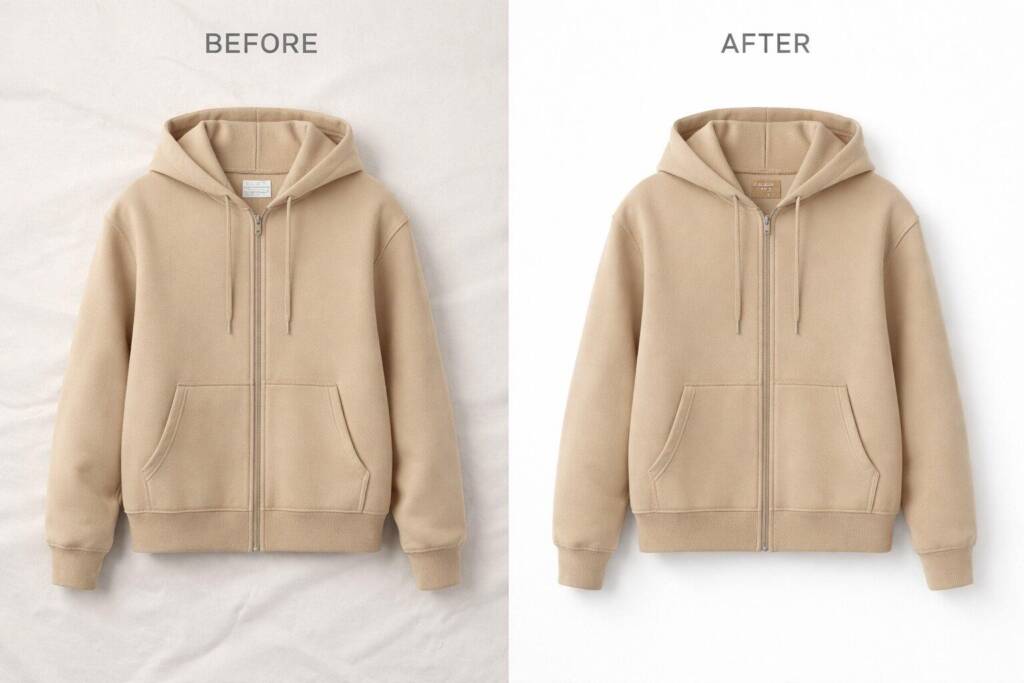
- Background replacement
- Seasonal compositing
- Color adjustments
- Shadow refinement
- Product retouching
- Lifestyle adaptations
- Campaign variations
For example, an existing product image could potentially be adapted from a standard catalog presentation into a seasonal campaign visual.
This gives brands more flexibility while reducing the need to start from scratch for every campaign.
6. Consistency Still Matters
Seasonal doesn’t mean inconsistent.
A brand may update its visual style for Christmas, summer, Valentine’s Day, or another campaign, but its core visual identity should remain recognizable.
Maintain consistency in:
- Product colors
- Lighting
- Image quality
- Retouching style
- Product proportions
- Brand tone
- Typography and graphic treatment
The seasonal environment can change.
The brand standard shouldn’t.
7. Update the Right Images at the Right Time
Not every product needs a seasonal treatment.
A more effective strategy is to prioritize.
Start with:
Hero Products
Your most important products deserve the strongest seasonal presentation.
Best Sellers
Products already generating interest can benefit from timely campaign placement.
Seasonal Products
These should receive imagery that clearly communicates their relevance.
New Collections
Fresh imagery can help new products stand out during seasonal launches.
This approach keeps the workload manageable while focusing resources where they can have the greatest impact.
8. A Smarter Seasonal Visual Workflow
Instead of waiting until a campaign is about to launch, build seasonal updates into your content calendar.
A simple workflow could be:
Plan
Identify upcoming seasons and campaigns.
↓
Select
Choose products and existing images that can be reused or updated.
↓
Retouch
Apply the required image editing and seasonal treatments.
↓
Quality Check
Verify product accuracy and brand consistency.
↓
Publish
Update website, marketplace, email, social, and advertising assets.
This reduces last-minute pressure and gives your team more time to review the final visuals.
How Mubytech Helps With Seasonal Image Updates
At Mubytech, seasonal image editing is approached as part of a broader eCommerce post-production workflow.
We can support brands with:
- Product image retouching
- Background removal
- Background replacement
- Seasonal image adaptations
- Color correction
- Fashion retouching
- Ghost mannequin editing
- High-volume image editing
- Catalog image processing
The objective isn’t simply to make an image look seasonal.
It’s to create imagery that is timely, accurate, consistent, and ready for multiple eCommerce channels.
Final Thoughts
Seasonal visual updates are more than a way to make your website look fresh.
They help brands keep their products relevant, communicate the right context, and create a more consistent shopping experience.
And when product imagery accurately represents what customers can expect, it can also help reduce the gap between what customers imagine they’re buying and what they actually receive.
The strongest seasonal strategy combines:
Timeliness + Creativity + Accuracy + Consistency
Because the right product, shown at the right time, with the right visual presentation, can make a much stronger impression.
Keep your imagery current. Keep your products relevant. Keep your customers confident.
FAQs
What are seasonal visual updates?
Seasonal visual updates involve refreshing product imagery, backgrounds, banners, and campaign assets to reflect current seasons, holidays, collections, and promotional periods.
Can seasonal imagery increase eCommerce conversions?
Relevant and well-presented imagery can help customers understand products and create stronger campaign context. However, conversions depend on multiple factors including pricing, product quality, user experience, and marketing.
Can product imagery help reduce returns?
Accurate product imagery can help set clearer customer expectations. Since returns have many causes, imagery should be viewed as one part of a broader strategy for reducing product-expectation mismatches.
Do seasonal campaigns always require a new photoshoot?
No. Depending on the existing assets, professional retouching and background editing can sometimes create seasonal variations without completely new photography.
How often should eCommerce brands update their visuals?
There is no single schedule for every brand. Updates should align with product launches, seasons, holidays, promotions, and changes in customer demand.