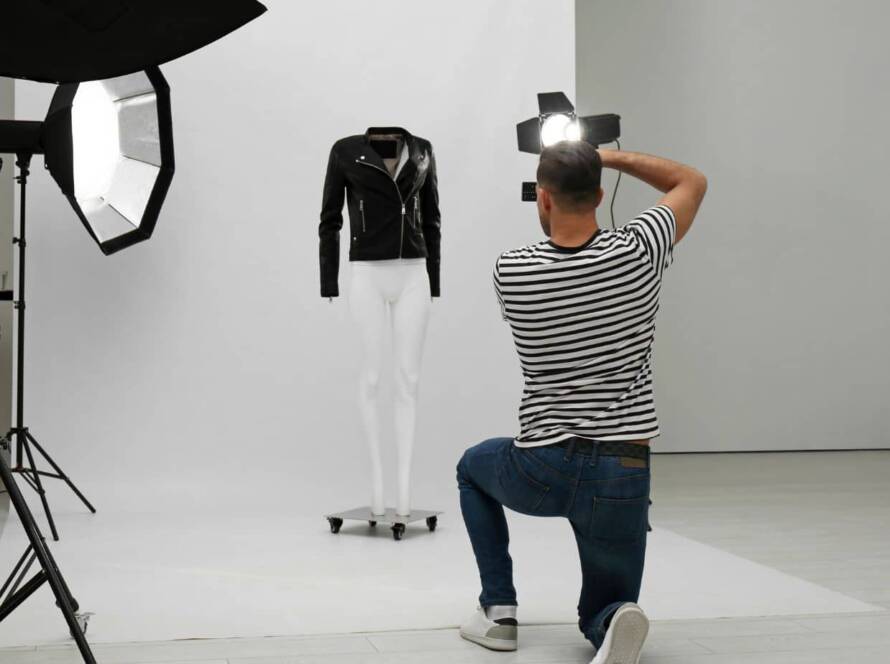


In today’s fast-moving e-commerce environment, speed and quality are no longer optional — they are essential. Brands are constantly uploading new collections, updating catalogs, and launching campaigns. But when image editing becomes slow or inconsistent, it directly impacts product launches and customer experience.
Many businesses face the same challenge: how to deliver polished, professional product images without delays. This is where structured workflows and expert retouching support play a crucial role.
In this blog, we’ll explore real-world style case studies that demonstrate how businesses reduced turnaround time while significantly improving image quality — without increasing complexity.
The Challenge: Balancing Speed and Quality
Before implementing optimized workflows, many businesses struggle with:
- Delayed product launches
- Inconsistent image quality
- Repeated revision cycles
- Overloaded internal teams
- Difficulty handling bulk image volumes
These challenges slow down growth and reduce operational efficiency. When teams spend too much time fixing errors or reworking images, it affects productivity and customer satisfaction.
Reducing turnaround time without compromising quality requires a smarter approach — one that combines structured processes with expert retouching.


Case Study 1: Apparel Brand Reduces Editing Delays
The Situation
An apparel retailer preparing seasonal collections was facing delays due to a high volume of product images. Each collection included hundreds of garments that required consistent background cleanup, color correction, and detailing.
Their internal workflow lacked standardization, leading to inconsistent output and frequent revisions.
The Solution
A structured editing workflow was introduced with:
- Standardized editing guidelines
- Dedicated retouching specialists
- Quality review checkpoints
- Optimized batch processing
The Results
Within weeks, the brand experienced:
✔ Faster image processing timelines
✔ Reduced backlog of pending edits
✔ Improved color accuracy across products
✔ Consistent catalog presentation
This allowed the team to launch collections on schedule while maintaining a professional visual identity.
Case Study 2: Marketplace Seller Improves Image Quality
The Situation
A multi-product seller listing items across multiple marketplaces struggled with inconsistent product visuals. Some images appeared dull, while others lacked uniform styling.
Customer engagement began declining due to visual inconsistency.
The Solution
A refined editing workflow was implemented, including:
- Consistent background alignment
- Image sharpening and lighting correction
- Visual standardization across platforms
- Final quality checks before delivery
The Results
The seller achieved:
✔ Cleaner, more professional product listings
✔ Increased image clarity
✔ Reduced revision cycles
✔ Improved visual consistency across platforms
This helped maintain brand credibility and improved overall listing presentation.
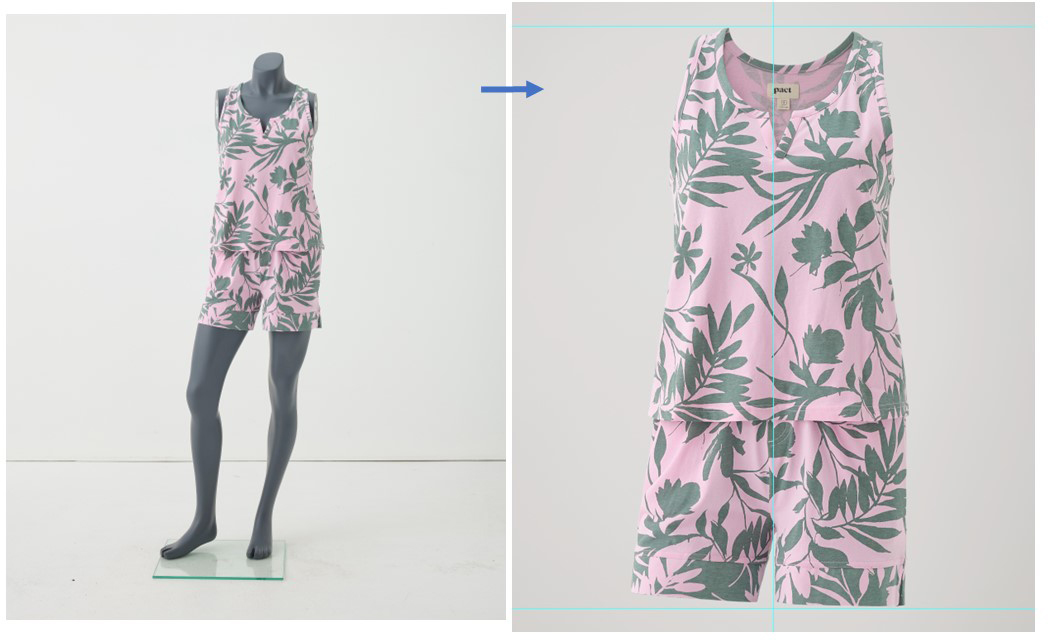
Case Study 3: Bulk Catalog Processing at Scale
The Situation
A growing e-commerce company needed to process thousands of product images each month. Their existing workflow struggled to keep up with demand.
Backlogs began forming, delaying product uploads and marketing campaigns.
The Solution
A scalable image editing system was introduced with:
- Workflow automation support
- Manual retouching precision
- Bulk processing optimization
- Step-by-step quality verification
The Results
The company experienced:
✔ Reduced turnaround time for large batches
✔ Improved workflow predictability
✔ Better visual consistency
✔ Faster product listing updates
This made large-scale operations more manageable and reliable.
What These Case Studies Reveal
Across different industries and product categories, the results followed a clear pattern:
✔ Structured workflows reduce delays
✔ Expert retouching improves consistency
✔ Quality checks prevent rework
✔ Scalable systems support growth
When these elements work together, businesses gain better control over both speed and quality.
The Role of Smart Retouching Workflows
Efficient image editing is not just about speed — it’s about reliability. A well-designed workflow ensures that every image passes through defined stages, minimizing errors and maximizing output quality.
This structured approach helps businesses:
- Handle growing image volumes
- Maintain brand consistency
- Deliver professional visuals
- Meet tight deadlines
For growing brands, dependable workflows make a measurable difference.
Conclusion
Speed and Quality Can Work Together
These case-style examples show that reducing turnaround time does not mean compromising quality. With the right workflow and expert support, businesses can improve efficiency while maintaining high visual standards.
As e-commerce continues to grow, scalable image editing solutions will remain essential for brands that want to stay competitive and consistent.
Reliable processes lead to faster results — and better customer experiences.