

In the rapidly evolving world of ecommerce, product images play a crucial role in influencing customer decisions. Shoppers cannot touch products or inspect them in person. Instead, they rely entirely on visuals to judge quality, detail, and authenticity.
Because of this, businesses must ensure that every product image appears polished, consistent, and accurate. However, producing thousands of high-quality images can be time-consuming and expensive.
This challenge has led to the rise of AI and human photo editing for ecommerce. By combining automation with human expertise, brands can achieve faster workflows without sacrificing quality.
Technology accelerates the process, but human expertise perfects the result.
The Rise of AI in Product Image Editing
Artificial intelligence has transformed many aspects of digital content creation. In ecommerce photography, AI tools can now automate repetitive editing tasks.
Common AI-powered editing capabilities include:
- Automatic background removal
- Basic color correction
- Image resizing for multiple platforms
- Object detection and masking
- Batch editing for large catalogs
These features allow ecommerce businesses to process hundreds or even thousands of images quickly.
For example, sellers on platforms like Amazon and Shopify often rely on automated tools to prepare large product catalogs efficiently.
However, while AI improves speed, it cannot fully replace human judgment.



Why Human Retouching Still Matters
AI works well for basic corrections, but it often struggles with complex visual decisions.
For example, AI may misinterpret:
- Fine product edges
- Subtle color differences
- Natural shadows and reflections
- Texture details in fabrics or metals
Human editors bring creative understanding and visual sensitivity that machines cannot replicate.
Professional retouchers refine images by:
- Correcting color accuracy precisely
- Enhancing textures and materials
- Removing complex imperfections
- Adjusting lighting naturally
“AI delivers speed, but human editors deliver perfection.”
This balance ensures that images remain realistic while still appearing visually attractive.
How the Hybrid Editing Workflow Works
The most effective workflow combines both technologies.
Instead of choosing between automation and manual editing, brands use each method where it performs best.
Step 1: AI Handles Repetitive Tasks
AI tools quickly complete time-consuming tasks such as:
- Background removal
- Image cropping
- Batch resizing
- Basic exposure adjustments
This step dramatically speeds up production.
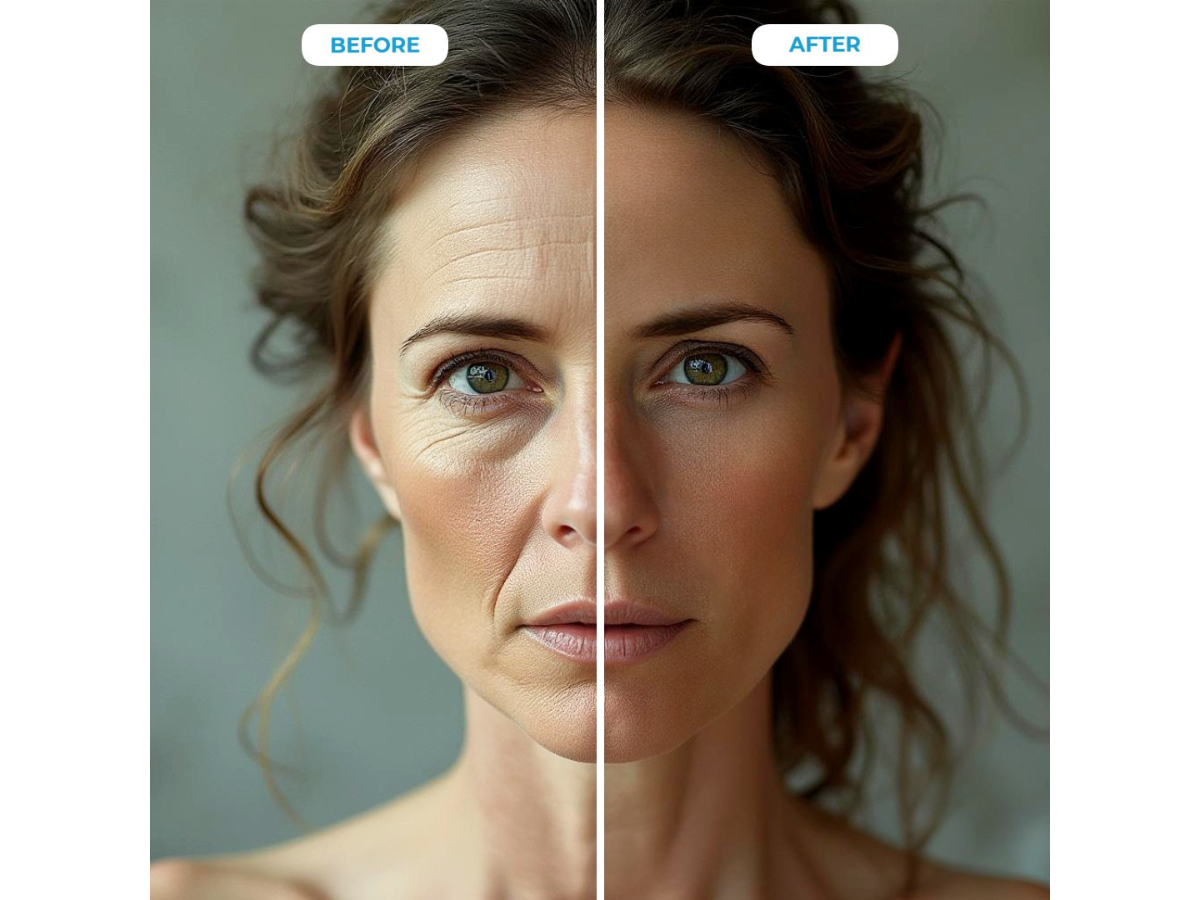
Step 2: Human Editors Perfect the Image
Once automation completes the initial edits, professional retouchers refine the image.
They focus on:
- Color accuracy
- Lighting balance
- Texture enhancement
- Detail precision
This stage ensures that every image meets high visual standards.
Benefits of AI + Human Editing for Ecommerce Brands
Combining automation with human expertise offers several advantages.
1. Faster Image Production
AI accelerates repetitive editing tasks, allowing teams to process large product catalogs efficiently.
2. Consistent Image Quality
Human editors ensure that every image maintains professional quality and brand consistency.
3. Scalable Workflows
As ecommerce stores grow, they need systems capable of handling thousands of images. Hybrid editing workflows support this growth.
4. Cost Efficiency
Automation reduces manual workload, while human retouching ensures quality control. This balance keeps production costs manageable.
The Role of Visual Quality in Ecommerce Growth
High-quality product images influence several key business metrics.
For example:
- Clear visuals increase click-through rates.
- Accurate images reduce return rates.
- Consistent presentation strengthens brand credibility.
Therefore, combining AI and human editing helps brands maintain visual excellence while scaling operations.
“The future of ecommerce imagery is not AI alone—it is AI guided by human creativity.”
Best Practices for Hybrid Photo Editing
Brands that want to adopt this workflow should consider the following steps:
- Use AI for repetitive editing tasks.
- Implement clear visual guidelines for product images.
- Use human editors for complex retouching.
- Maintain consistent color and lighting standards.
These practices help ensure that automation improves efficiency without compromising visual quality.
Final Thoughts
Ecommerce continues to evolve, and visual content remains at the center of the online shopping experience.
While AI has revolutionized image editing by increasing speed and efficiency, human expertise still plays an essential role in achieving visual perfection.
That is why the most successful brands rely on AI and human photo editing for ecommerce. This hybrid approach combines technology and creativity to produce product images that are both efficient to create and powerful in their impact.
Ultimately, the secret behind perfect product images lies not in choosing between humans or machines—but in using both together.
FAQ
No. AI can automate basic tasks, but human editors are essential for advanced retouching and visual judgment.
This hybrid approach improves efficiency while maintaining high visual quality.
Yes. High-quality product images build trust and help customers make confident purchasing decisions.